
The Ultimate Guide to Taking Berberine During Perimenopause and Menopause
Subscribe to my email list
Get simple, research-backed tips for better sleep, balanced energy, and relief from menopause symptoms—delivered straight to your inbox.
The weight gain we experience during perimenopause and menopause isn't about calories or lack of willpower. Hormonal changes affect insulin sensitivity, blood sugar regulation, cravings, and where your body stores fat.
Berberine has been studied for its potential to support healthy blood sugar levels, insulin sensitivity, metabolic health, and weight management.
Understanding blood sugar became a game-changer for me. Once I learned how blood sugar fluctuations influence cravings, energy, hunger, and belly fat, many of my menopause symptoms started making more sense.
While berberine capsules have the strongest scientific research behind them, I personally chose Purisaki Berberine Patches because I don't enjoy taking pills and found them easier to use consistently.
Since incorporating berberine patches, prioritizing protein, strength training, daily movement, and better sleep habits, I've lost approximately 12 pounds over four months while feeling more in control of my cravings and energy levels.
Maintaining muscle supports metabolism, blood sugar management, and long-term weight control.
Sleep is one of the most overlooked factors in menopause weight gain. Poor sleep increases cravings, worsens insulin resistance, and makes healthy choices much harder to maintain.
Berberine works best when combined with healthy lifestyle habits and realistic expectations.
Not all berberine products are created equal. Quality, consistency, and choosing a reputable brand matter.
The biggest lesson I learned is that my body wasn't betraying me; it was changing. Once I stopped blaming myself and understood what was happening metabolically and hormonally, I was able to create a routine that worked with my body instead of against it.
The Natural Compound That May Support Weight Loss, Blood Sugar, Belly Fat, and Energy
About a year ago, I found myself standing in front of the mirror, wondering what on earth had happened to my body.
I was approaching 50, dealing with hot flashes, dizziness, random anxiety, and those lovely 3 a.m. wake-up calls that seem to come standard with perimenopause. But what frustrated me most wasn't any of those symptoms.
It was the weight gain.
I had gone from around 125 pounds to 135 pounds without making any dramatic changes to my lifestyle. The extra weight seemed determined to settle around my midsection, and no matter what I tried, it wasn't budging.
At first, I blamed myself.
Maybe I wasn't exercising enough.
Maybe I was eating too many carbs.
Maybe I lacked discipline.
But the more I talked with other women in menopause groups, the more I realized I wasn't alone. Smart, health-conscious women were all asking the same question:
"Why am I gaining weight when I'm doing the same things I've always done?"
That question eventually led me down a fascinating rabbit hole involving insulin resistance, blood sugar regulation, menopause, and a natural compound called Berberine.
And what I learned changed how I think about menopause completely.
Why Menopause Makes Weight Loss So Much Harder
One thing that surprised me was learning that menopause isn't only about hormones.
Well, technically, it is, but hormones affect everything.
Most of us know estrogen begins to decline during perimenopause and menopause. What most of us don't realize is that estrogen also regulates blood sugar, appetite, fat storage, and insulin sensitivity.
As estrogen levels drop, the body becomes less responsive to insulin.
That may not sound like a big deal until you understand what insulin actually does.
Think of insulin as a key. Its job is to unlock your cells and allow glucose from food to enter and be used for energy.
When cells stop responding efficiently to insulin, the body often compensates by producing more of it.
And high insulin levels make it much easier to store fat, especially around the abdomen.
Suddenly, menopause belly fat starts making a lot more sense.

What Is Berberine?
When I first heard about berberine, I assumed it was another trendy supplement that would disappear in six months.
But berberine isn't new at all.
It's a naturally occurring compound extracted from several plants, including barberry and goldenseal. Researchers have been studying it for decades because it influences multiple systems involved in metabolic health.
What makes berberine unique is that it doesn't work through just one pathway.
It supports blood sugar regulation, insulin sensitivity, cholesterol metabolism, gut health, and cellular energy production.
That's one reason scientists have become so interested in it.
Unlike many supplements that promise everything and deliver very little, berberine has a substantial body of research behind it.
How Berberine Helps Women in Perimenopause and Menopause
Researchers are interested in berberine because it addresses several metabolic challenges commonly experienced during menopause.
1. It Supports Healthier Blood Sugar Levels
Blood sugar spikes and crashes can worsen:
Fatigue
Mood swings
Irritability
Hunger
Cravings
By supporting healthy glucose metabolism, berberine creates more stable energy throughout the day.
2. It Reduces Stubborn Belly Fat
One of the biggest complaints among menopausal women, like me, is abdominal weight gain.
While no supplement specifically targets belly fat, studies suggest that improving insulin sensitivity reduces the tendency to store excess fat around the waistline.
3. It Controls Cravings
During perimenopause and menopause, we have intense cravings for sugar and carbohydrates due to blood sugar fluctuations. More stable glucose levels translate into fewer cravings and less emotional eating.
4. It Supports Healthy Cholesterol Levels
Menopause often brings changes in cholesterol markers. Some research suggests berberine supports healthy LDL cholesterol and triglyceride levels, making it beneficial for overall cardiovascular wellness.
5. It Increases Cellular Energy Production
Menoapuse feels like someone unplugged our battery. Since berberine activates AMPK, often called the body's "metabolic master switch," researchers believe it supports more efficient cellular energy production.
Can Berberine Help With Menopause Weight Gain?
TThis is perhaps the most common question women ask.
The answer is nuanced.
Berberine is not a miracle fat burner.
However, studies show that it supports several processes involved in weight management:
Improved insulin sensitivity
Better blood sugar regulation
Reduced fat storage
Appetite management
Improved metabolic health
For us, menopausal women, whose weight gain is usually driven by insulin resistance, berberine is a valuable tool when combined with proper nutrition and exercise.
How to Take Berberine for Maximum Effectiveness
One of the biggest mistakes I see people make is taking berberine randomly and expecting miracles.
Most studies use doses between 1,000 and 1,500 milligrams daily, typically divided into multiple doses.
Experts recommend taking it before meals because that's when it may have the greatest influence on post-meal blood sugar levels.
Consistency matters far more than perfection.
Taking berberine for three days and then forgetting about it for two weeks isn't likely to produce meaningful results. Most of the positive stories (including my own), I've read involve women who used it consistently for several months while also improving their nutrition and activity levels.

Berberine Pills vs. Berberine Patches: What's the Difference?
One question I get asked all the time is whether berberine capsules are better than berberine patches.
The honest answer is that capsules currently have more clinical research behind them. Most of the studies investigating berberine's effects on blood sugar, insulin sensitivity, cholesterol, and weight management have used oral berberine supplements.
So from a purely scientific standpoint, capsules have a stronger body of evidence.
But here's where my personal experience comes in.
I've never been good at taking pills.
In fact, if you're anything like me, you probably already have a cabinet full of supplements you bought with good intentions and then forgot to take consistently.
Between vitamins, minerals, and everything else that women in perimenopause seem to be told they need, swallowing multiple pills every day started feeling like a full-time job.
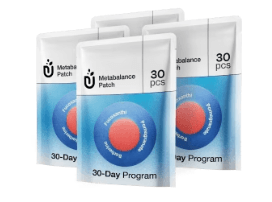
That's one reason I became interested in Purisaki Berberine Patches.
The concept appealed to me because it felt simple. I could apply a patch and go about my day without having to remember another capsule.
The patches are designed to provide botanical support over time. Rather than feeling like a quick fix, they are intended to work alongside your body's natural daily rhythm and healthy lifestyle habits.
What I personally liked most was the convenience.
There was no need to remember multiple daily doses, no swallowing large capsules, and no worrying about whether I had taken my supplement with a meal.
Now, I want to be clear: my experience is just that my experience.
Over the past four months, while using Purisaki Berberine Patches, prioritizing protein, walking more consistently, and becoming more mindful of my eating habits, I've lost approximately 12 pounds, averaging about 3 pounds per month.
What surprised me wasn't just the change on the scale.
I noticed fewer cravings, especially for sugary snacks in the afternoon. My energy felt more stable throughout the day, and I wasn't constantly thinking about food the way I had been during some of the more difficult stages of perimenopause.
Could those improvements be solely from the patches? There's no way for me to know for certain.
What I do know is that the patches became a simple part of a routine that was finally working for me.
If you prefer a supplement backed by multiple studies, capsules should be your first choice.
If you're someone who dislikes swallowing pills, struggles with consistency, or prefers a different approach, berberine patches are worth exploring.
At the end of the day, the best supplement isn't necessarily the one with the most studies. It's often the one you'll actually use consistently as part of a healthy lifestyle.
The 3 Menopause-Specific Secrets That Make Berberine Work Better
Secret #1: Prioritize Protein
During perimenopause & menopause, women lose muscle mass at an accelerated rate.
Since muscles regulate blood sugar and metabolism, maintaining them is critical.
Aim to include protein at every meal.
I try to eat:
2 daily eggs
Fish once weekly
Greek yogurt every night
Chicken two to three times a week
Cottage cheese every day in every meal
Lean beef two times a week
Tofu two to three times a week
Combining adequate protein with berberine improves metabolic outcomes.
Secret #2: Strength Training Is Non-Negotiable
I used to think walking was enough.
And while I still believe walking is one of the best things we can do for our overall health, I learned that strength training is even more important once I entered perimenopause.
One of the things that happens as estrogen declines is that we naturally begin losing muscle mass.
Unfortunately, less muscle means a slower metabolism, reduced insulin sensitivity, and an easier time gaining weight, especially around the midsection.
What really changed my perspective was learning that muscle acts like a glucose sponge. The more muscle you maintain, the better your body uses glucose for energy instead of storing it.
That's one reason strength training is so powerful for blood sugar management, energy levels, and healthy weight maintenance during menopause.
Personally, I strength train five days a week for at least 30 minutes. I'm not spending hours in the gym, and I'm certainly not trying to become a bodybuilder.
My goal is to stay strong, maintain muscle, and support my metabolism as I move through this stage of life.
One reason I've been able to stay consistent is that I work out at home.
Some of my favorite YouTube trainers are Heather Robertson, Caroline Girvan, and Sydney Cummings. Each of them offers excellent strength workouts that can be adapted to different fitness levels, and I love being able to press play whenever it fits into my day.
I also make time for yoga because menopause is stressful enough without adding more tension to the mix. Yoga helps me feel stronger, more flexible, and more grounded.
My favorite channels are Boho Beautiful Yoga, Five Parks Yoga, and Yoga with Adriene.
On days when I'm feeling overwhelmed, anxious, or exhausted, a yoga session helps me more than another cup of coffee ever could.
Looking back, strength training has probably been one of the most important habits I've adopted during perimenopause.
Combined with focusing on blood sugar balance, eating more protein, getting better sleep, and using my berberine patches consistently, it has become an important part of my routine that has helped me lose weight, feel stronger, and regain confidence in my body.
Secret #3: Improve Sleep Before Chasing More Supplements
If there is one lesson I wish I had learned sooner during perimenopause, it's that sleep is a necessity.
For a long time, I focused on food, exercise, supplements, and calories while completely overlooking the fact that I wasn't sleeping well.
Looking back, it seems obvious now, but at the time, I was so focused on losing weight that I didn't realize poor sleep was working against me.
There were nights when I would wake up at 2 or 3 in the morning and couldn’t go back to sleep.
Other times, I would wake up feeling hot, restless, or anxious for no apparent reason. Even when I managed to get enough hours in bed, I didn't always wake up feeling refreshed.
What I later learned is that poor sleep makes weight loss harder.
When you're running on five or six hours of sleep, your body tends to produce more hunger hormones, cravings become stronger, blood sugar becomes harder to regulate, and insulin resistance worsens.
That's why improving my sleep became one of my priorities.
Personally, I've been taking SleepLean as part of my evening routine, and I've found that creating consistent sleep habits is as important as any supplement.
I try to go to bed at roughly the same time every night, even on weekends. I dim the lights, avoid scrolling on my phone before bed, and give myself time to wind down instead of expecting my brain to go from full speed to sleep mode instantly.
Has my sleep become perfect? Not always. Menopause still likes to keep things interesting.
But I've noticed that when I consistently prioritize sleep, everything else becomes easier.
My cravings are more manageable, my energy is better, my workouts feel stronger, and I make better food choices throughout the day.
It's funny because most of us start looking for the next miracle supplement when we're tired, frustrated, and gaining weight.
Yet one of the most powerful things we can do for our metabolism, hormones, and overall well-being is simply getting better sleep.
These days, I consider quality sleep as important as my nutrition, my strength training workouts, and my berberine routine.
They're all pieces of the same puzzle, and when one piece is missing, the whole picture becomes harder to put together.

Common Berberine Myths That Need to Die
After spending countless hours reading articles, watching videos, and following discussions in menopause groups, I've noticed there are a few myths about berberine that just won't go away.
Let's clear up some of the biggest ones.
Myth #1: Berberine Melts Fat Away Without Effort
I wish this were true.
Trust me, if there were a patch, pill, tea, or magic powder that could erase menopause belly fat while I sat on the couch watching Netflix, I'd be the first one in line.
But that's not how berberine works.
One reason I think people become disappointed is that they expect dramatic overnight results. They hear stories about weight loss and assume berberine is some kind of natural Ozempic replacement that does all the work for you.
Berberine works best as a support tool, not a substitute for healthy habits.
For me, the biggest changes came when I combined my berberine routine with strength training, daily movement, prioritizing protein, and improving my sleep.
The supplement didn't replace those habits; it made them easier to stick with by helping me feel more in control of my cravings and energy levels.
Myth #2: More Is Better
This is another mistake I see all the time.
When people don't see immediate results, their first instinct is often to take more.
More capsules.
More patches.
More supplements.
More everything.
But when it comes to berberine, more isn't necessarily better.
In fact, taking excessive amounts may increase the likelihood of digestive discomfort without providing additional benefits.
I always remind myself that consistency usually beats intensity.
The women who seem to get the best results aren't the ones constantly increasing their dose.
They're the ones who follow a routine and stick with it long enough to allow their bodies time to respond.
Myth #3: All Berberine Products Are Basically the Same
This is probably the myth that surprised me the most.
When I first started researching berberine, I assumed a berberine product was a berberine product.
Not exactly.
The more I learned, the more I realized there are major differences between brands, manufacturing standards, ingredient quality, and delivery methods.
Some companies invest heavily in quality control and testing. Others focus more on marketing than formulation.
That's one reason I spent time researching before choosing a product for myself.
Whether you prefer capsules or patches, it's worth looking beyond flashy advertising and asking questions about ingredient quality, company reputation, transparency, and manufacturing standards.
Myth #4: If Berberine Doesn't Work in Two Weeks, It Doesn't Work
We live in a world of overnight transformations and before-and-after photos, so it's easy to expect immediate results.
But menopause doesn't happen overnight.
Insulin resistance doesn't develop overnight.
Weight gain doesn't happen overnight.
And meaningful metabolic improvements usually don't happen overnight either.
When I started making changes, I wasn't waking up every morning five pounds lighter.
The progress was gradual.
Some weeks, I noticed fewer cravings.
Some weeks, I noticed better energy.
Other weeks, my clothes felt slightly looser even though the scale barely moved.
Looking back, those small improvements were actually signs that bigger changes were happening behind the scenes.
Myth #5: Berberine Is Only About Weight Loss
This one might be my biggest pet peeve.
Most conversations about berberine focus exclusively on the scale.
But many women going through perimenopause and menopause are looking for much more than weight loss.
They're looking for stable energy.
Better blood sugar balance.
Fewer cravings.
Improved metabolic health.
Better long-term wellness.
Weight loss often gets all the attention, but many women find that the real benefits are the improvements they feel daily.
For me, feeling more in control of my cravings and having steadier energy throughout the day is as valuable as seeing the number on the scale move.
Berberine isn't a miracle cure, but it isn't hype either. Like most things in health and wellness, the truth lives somewhere in the middle.
It's simply one tool that supports your body during a stage of life when many of us feel like our hormones and metabolism have suddenly started playing by a completely different set of rules.
Side Effects and How to Avoid Them
Most people tolerate berberine well, but digestive issues can occur.
The most common complaints include mild bloating, constipation, nausea, or stomach discomfort.
Starting with a lower dose and gradually increasing often helps minimize these effects.
Taking berberine with food may also improve tolerance.
As always, women taking medications should speak with their healthcare provider before adding any supplement to their routine.
So, Is Berberine Worth Trying During Menopause?
After everything I learned, here's where I landed.
Berberine isn't a miracle.
It won't erase menopause.
It won't magically make ten pounds disappear by next Tuesday.
But it supports several of the metabolic changes that become increasingly common during perimenopause and menopause.
For me, the biggest shift wasn't even the supplement itself.
It was understanding that my struggles weren't simply about aging or lacking willpower.
My body was changing.
My metabolism was changing.
My hormones were changing.
Once I understood that, I stopped fighting my body and started supporting it.
And sometimes, that understanding alone is the first step toward finally feeling like yourself again.
Medical Disclaimer: This article is for informational purposes only and does not constitute medical advice. Always consult a qualified healthcare provider before making changes to your health regimen or beginning any supplement or medication.
© 2026 · Midlife & Thriving · All rights reserved
COMPARTE


Suscríbete ahora.
Regístrate a nuestra newseletter para recibir las historias más interesantes del día directo en tu correo electrónico antes que cualquier persona
Creado con ©systeme.io• Política de Privacidad • Términos del servicio