
Ok But Why Am I Suddenly Waking Up Anxious at 3am During Perimenopause?
Subscribe to my email list
Get simple, research-backed tips for better sleep, balanced energy, and relief from menopause symptoms—delivered straight to your inbox.
If you suddenly wake up anxious at 3 am during perimenopause, you are not imagining it.
Hormonal changes affect your sleep, stress response, mood, and nervous system.
Poor sleep makes anxiety, panic attacks, racing thoughts, and emotional overwhelm feel much worse.
Sometimes it doesn’t even feel like “anxiety.” It feels like:
heart palpitations,
chest tightness,
internal shaking,
dread,
or feeling emotionally fragile for no reason.
The less we sleep, the harder it becomes to regulate stress and emotions.
This is not about being “dramatic” or “weak.”
Supporting sleep and calming the nervous system make a huge difference.
Sometimes the biggest relief is simply realizing:
“Oh… this is actually connected.”
Why Perimenopause Suddenly Causes Anxiety and Sleep Problems
I don’t know who needs to hear this… but if you suddenly started waking up anxious at 3 am during perimenopause, you are not imagining it.
Because honestly?
This stage is SO weird.
One minute you’re exhausted all day thinking:
“Tonight I’m finally going to sleep.”
Then suddenly it’s 3:17 am.
Your eyes open for absolutely no reason.
Your heart is racing.
Your brain decides NOW is the perfect time to replay:
Your entire to-do list,
Random health fears,
Something embarrassing you said 12 years ago,
And every possible worst-case scenario.
And the strangest part is maybe you were never even an anxious person before this. Maybe you used to sleep fine. Maybe stress has never affected you this much before.
Which is why this whole thing is incredibly confusing.
Because it’s not just feeling tired. It’s emotionally overwhelmed, anxious, overstimulated, exhausted, and somehow completely unable to relax at the same time.
Why Am I Waking Up Anxious at 3 am During Perimenopause?
This is the part nobody really explains well.
Perimenopause doesn’t just affect periods; it affects:
Sleep quality,
Cortisol,
Body temperature,
Stress tolerance,
Mood,
Emotional regulation,
And the nervous system overall.
So when sleep is disrupted, everything becomes emotionally louder.
Tiny problems suddenly feel huge.
Your patience disappears.
You feel overstimulated more easily.
And after enough bad sleep, even normal stress is impossible to manage.
That’s why this cycle is so exhausting.
Because poor sleep increases:
Cortisol,
Adrenaline sensitivity,
Anxious thoughts,
Emotional reactivity,
And that constant “on edge” feeling.
So the less we sleep…
…the more anxious we are.
And then the anxiety itself makes it even harder to sleep again.
Which honestly feels like the world’s rudest cycle.
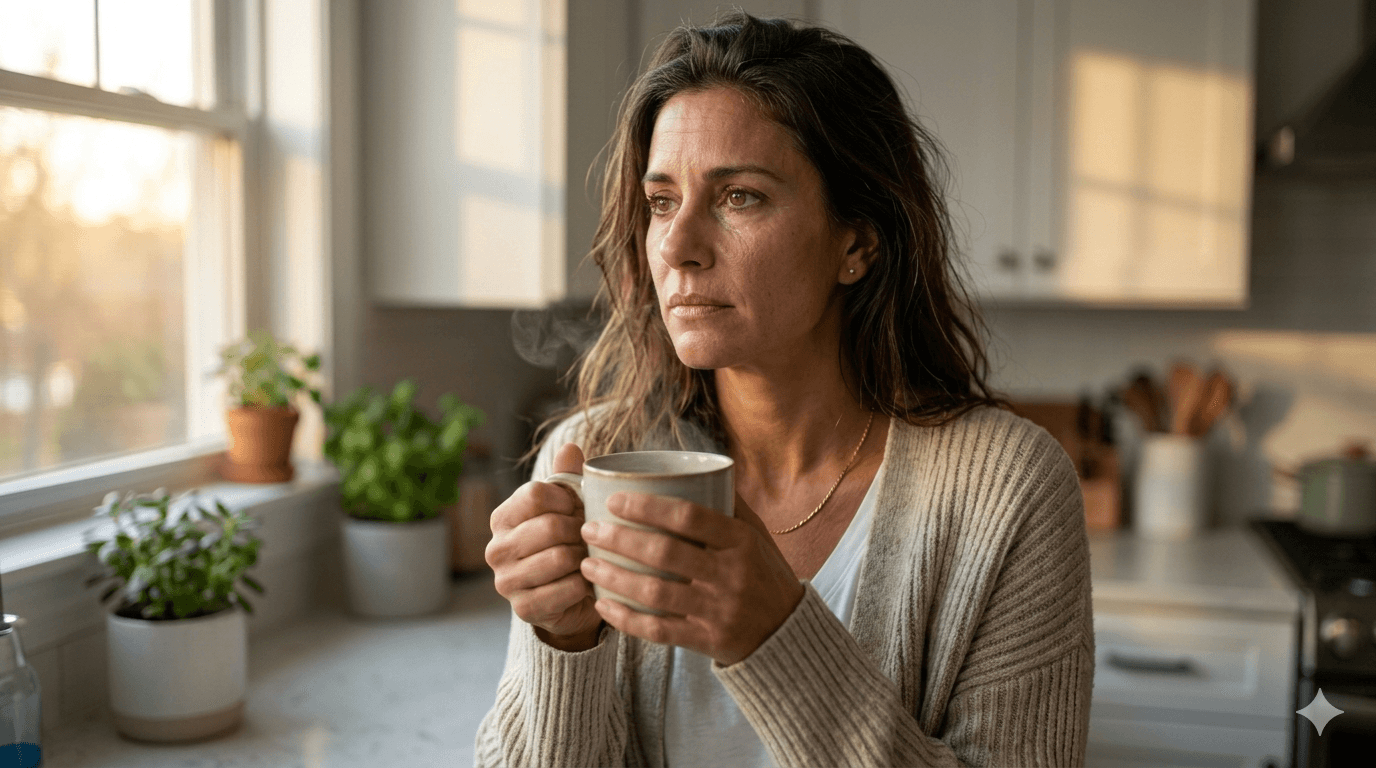
Perimenopause Anxiety Is Physical Instead of Emotional
And what makes this even MORE confusing is that anxiety has physical symptoms such as.
Heart palpitations,
Chest tightness,
Internal shaking,
Nausea,
Hot flashes,
Or this weird feeling that your body suddenly feels unsafe.
So you start thinking:
“Wait… is something wrong with me?”
And honestly, this makes the panic spiral even worse. Especially when these symptoms keep happening in the middle of the night while you’re already exhausted.
That’s why so many of us end up Googling symptoms at 2 am convinced something serious is happening. Because nobody tells us that hormonal changes + chronic sleep disruption affect the nervous system this much.
How Sleep Deprivation During Perimenopause Affects Anxiety and Mood
After weeks or months of poor sleep, you stop feeling like yourself.
Not in a dramatic way.
In a quiet, scary way.
Suddenly:
Little things make you cry,
Your stress tolerance disappears,
Your emotions feel bigger,
Your motivation crashes,
Everything is overwhelming.
And when you’re already dealing with:
Hormonal changes,
Brain fog,
Weight gain,
Life stress,
Work,
Aging parents,
Relationships,
Family responsibilities…
Adding chronic sleep deprivation on top of that completely drains your nervous system.
That’s when we start thinking:
“Why can’t I handle things anymore?”
But honestly?
It’s not that we’re failing. We’re just exhausted.
Why Perimenopause Makes You a Different Person
I think this is one of the hardest parts nobody talks about enough.
It’s not just the anxiety. It’s feeling disconnected from yourself.
You start wondering:
“Why am I suddenly so angry?”
“Why do I feel anxious all the time?”
“Why does everything suddenly feel harder?”
And because perimenopause symptoms build slowly, we don’t always notice how much sleep deprivation and nervous system overload affect us until we hit a wall.
So instead, we blame ourselves.
We think:
“I need to get it together.”
“I’m overreacting.”
“I’m too emotional lately.”
When really our bodies are going through a massive hormonal transition while running on terrible sleep, affecting our mental and emotional health.
How to Calm Perimenopause Anxiety and Improve Sleep Naturally
There’s no single magic fix for every woman.
But supporting sleep and calming the nervous system make a huge difference.
Things that help include:
Improving sleep habits by taking natural supplements such as SleepLean or Magnesium
Reducing overstimulation before bed,
Eating enough protein,
Walking daily,
Supporting hormonal health,
Creating calming nighttime routines,
Reducing chronic stress,
and supporting mitochondrial energy production.
And honestly?
One of the biggest shifts is simply stopping the self-blame. Because this is not about being:
Weak,
Lazy,
Dramatic,
Or “crazy.”
Your nervous system is responding to a major transition. And sometimes your body is simply asking for more support than it used to need.
The Part About Perimenopause Anxiety Nobody Warned Us About
A lot of us quietly spend months — sometimes years — thinking:
“I’m losing myself.”
When really…
Our sleep is broken, since our nervous systems are exhausted. And our bodies are trying to adapt to enormous hormonal changes while we continue expecting ourselves to function normally.
That realization changes everything.
Because once you realize:
“Oh… this is actually connected.”
You stop feeling so alone.
So, What Helps When Perimenopause Anxiety and Sleep Problems Won’t Stop?
Honestly, realizing what was happening was only the first step for me.
Because once I understood that poor sleep, hormones, and nervous system overload were all connected…
“Ok… so what do I actually DO about it?”
Because a lot of the usual advice honestly didn’t help much.
You can try:
Sleeping earlier,
Magnesium glycinate,
Less caffeine,
Meditation apps,
Nighttime tea,
Doing this helped, but I still felt exhausted, anxious, overstimulated, and completely drained most days.
That’s when I started learning more about how energy production, stress response, and mitochondrial health affect:
Sleep quality,
Nervous system regulation,
Mood,
Cravings,
Weight gain,
And overall hormone support during perimenopause.
Because when your body is already under stress from hormonal changes, poor sleep makes everything feel even worse.
Which is why supporting your body at the cellular energy level makes a bigger difference than most women realize. That’s also why I became really interested in ingredients and supplements, like SleepLean, designed specifically to support:
Metabolism,
Mitochondrial function,
Sleep quality,
Stress response,
And healthy aging during midlife.
If you’ve been feeling:
Exhausted,
Anxious,
Emotionally overwhelmed,
Stuck awake at 3 am,
Or just unlike yourself lately…
Learn more about what helps support my energy, sleep, and nervous system naturally during perimenopause.
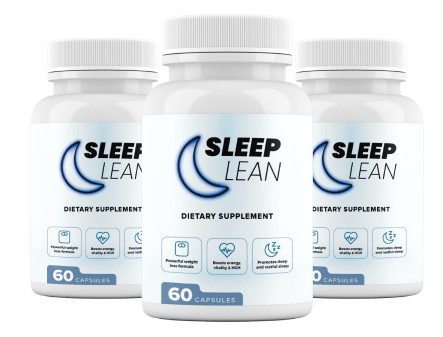
First-time customers typically receive a significant discount. Ships discreetly with tracking.
Medical Disclaimer: This article is for informational purposes only and does not constitute medical advice. Always consult a qualified healthcare provider before making changes to your health regimen or beginning any supplement or medication.
© 2026 · Midlife & Thriving · All rights reserved
COMPARTE


Suscríbete ahora.
Regístrate a nuestra newseletter para recibir las historias más interesantes del día directo en tu correo electrónico antes que cualquier persona
Creado con ©systeme.io• Política de Privacidad • Términos del servicio