
How to Stop Tinnitus & Dizziness During Perimenopause
A Complete, Science-Backed Guide for Women Over 40 (From Someone Who’s Been There)
If you’re here because you searched “ringing ears during perimenopause,” “why am I dizzy in my 40s,” or “how to stop tinnitus naturally,” I want you to know something first:
I understand.
Not just clinically. Personally.
A few years ago, in my late 40s (I am now 50), I started waking up with a faint ringing in my ears. At first, I blamed stress. Then caffeine. Then there is the lack of sleep. But the ringing didn’t leave. Some days it was subtle. On other nights, it pulsed so loudly that I couldn’t ignore it. Soon after, I began experiencing random waves of dizziness — especially when standing up quickly. It felt like my body was shifting in ways no one had prepared me for.
Doctors ran basic tests. Everything was “normal.”
But I didn’t feel normal.
What I later discovered — through research, hormone education, and deep nervous system work — is that tinnitus and dizziness during perimenopause are more common than most women realize, yet rarely discussed.
This guide is what I wish someone had explained to me.
Ringing ears after 40? This might be why. The hormone connection explained
Tinnitus — the perception of ringing, buzzing, hissing, or whooshing without an external sound — is not just an ear issue. It is a brain interpretation issue.
During perimenopause, estrogen fluctuates unpredictably. Estrogen does far more than regulate menstrual cycles. It supports:
Blood flow to the cochlea (inner ear)
Neurotransmitter balance
Fluid regulation in the vestibular system
Protection against oxidative stress
When estrogen begins to swing — sometimes high, sometimes suddenly low — the inner ear can lose stability. Blood flow may shift. Neurotransmitter signaling may become inconsistent. The auditory cortex can become more reactive. As a result, the brain amplifies background neural noise.
That amplified neural noise is what we perceive as ringing.
Additionally, progesterone declines during perimenopause. Progesterone enhances GABA, the calming neurotransmitter that keeps neural firing in check. When GABA activity decreases, the brain becomes more excitable. For many women, this heightened excitability makes tinnitus louder or more intrusive.
If you’ve also noticed anxiety, sleep changes, or increased stress sensitivity, it’s not a coincidence. The same hormonal shifts affect all of it.
Signs you're entering perimenopause - Dizziness and Lightheadedness
The inner ear controls both hearing and balance. Therefore, when hormonal shifts affect the auditory system, they often affect equilibrium as well.
During perimenopause:
Blood pressure regulation can become less stable
Nitric oxide production may fluctuate
Blood sugar variability increases
Stress hormones rise more easily
I personally noticed that my dizziness was worse on days when I skipped meals or didn’t hydrate enough. Blood sugar drops triggered adrenaline surges, and adrenaline amplified both ringing and imbalance.
Furthermore, elevated cortisol tightens blood vessels and increases neural sensitivity. That can intensify both tinnitus and vertigo sensations.
Understanding this connection changes everything. It shifts the question from “What is wrong with me?” to “What system is out of balance?”
How to Reduce Tinnitus & Dizziness Naturally (What Actually Helped Me)
There is no magic pill. But there is a strategy.
First, stabilizing blood sugar became non-negotiable. Once I began eating balanced meals with protein, fiber, and healthy fats every few hours, my dizzy spells decreased dramatically. This is because stable glucose prevents adrenaline spikes that overstimulate the auditory cortex.
Second, I prioritized nervous system regulation. Deep breathing, early bedtimes, magnesium, and limiting caffeine reduced the intensity of ringing. When the brain feels safe, it amplifies internal sounds less.
Third, I focused on circulation. Gentle walking, hydration, and nutrients that support nitric oxide production improved overall head clarity.
Finally, targeted supplementation supported neurotransmitter balance and antioxidant protection — two key mechanisms involved in tinnitus after 40.
Best Supplements for Tinnitus During Perimenopause (Detailed Review)
Before we dive in…
📌 Important: This article contains affiliate links. If you purchase through some of the links below, I may earn a small commission at no extra cost to you. I only recommend products I genuinely believe can help women navigate tinnitus after 40.
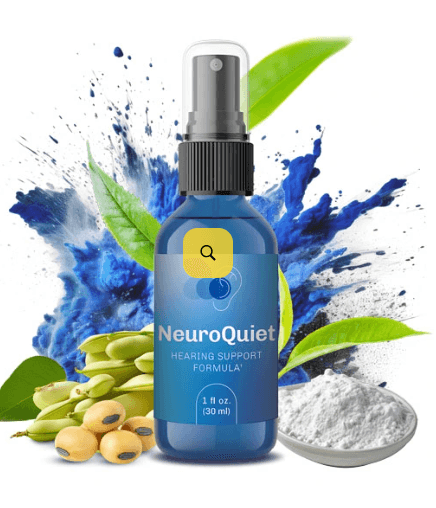
NeuroQuiet – Neurological & Hearing Support
Best For: Stress-related tinnitus, brain fog, nervous system overactivity
Rating: ★★★★☆ (4.2/5)
🔗 Get NeuroQuiet
Price: $69 per bottle
90-day money-back guarantee
Why This Might Help You
When my tinnitus felt constant — especially on high-stress days — I realized it wasn’t just my ears, it was my nervous system. NeuroQuiet arrives at this exact intersection. This formula combines neurotransmitter-balancing amino acids (like GABA, L-Tyrosine, L-Arginine, and Alpha-GPC) with adaptogenic support (Moomiyo) to support auditory clarity while calming neural hyperactivity that often spikes during perimenopause stress.
Many women report improved clarity, reduced ringing, and a calmer mind — especially on stressful days when tinnitus feels amplified.
Benefits
✨ Supports auditory signaling and nervous system balance
✨ May reduce stress-amplified ringing
✨ Includes ingredients linked to cognitive focus
✨ Daily use may improve overall mental energy
Potential Disadvantages
⚠ Results usually appear over weeks, not days
⚠ Not ideal if tinnitus is purely circulation-driven
⚠ Ingredient dosing is proprietary (i.e., not always transparent)
👉 If your tinnitus worsens on days you feel overwhelmed or foggy, NeuroQuiet may support both focus and ear clarity.
Try NeuroQuiet here ➤

Whispeara – Brain & Hearing Support
Best For: Circulation + cognitive hearing support
Rating: ★★★★☆ (4.0/5)
🔗 Try Whispeara
Price: $69 per bottle
90-day money-back guarantee
Why This Stood Out
Some women notice that their tinnitus feels worse with stress or fatigue, as if the ringing is louder when their brain is overwhelmed. Whispeara blends nitric-oxide-support ingredients like L-Arginine (enhances blood flow) with neurotransmitter precursors like Alpha-GPC and dopamine boosters like L-DOPA Bean.
By combining circulatory support with neural balance, this formula aims to relieve tinnitus from multiple angles — not just one.
Benefits
✨ Supports ear circulation with nitric oxide
✨ Targets neurotransmitters tied to mood & hearing clarity
✨ Includes adaptogens to counter inflammation
✨ Broader multi-pathway approach
Potential Disadvantages
⚠ Some ingredients overlap with NeuroQuiet (so stacking may be redundant)
⚠ May not help if the ring intensity is due to structural ear damage
⚠ Results vary from person to person
👉 If stress, fatigue, or mental overload makes your tinnitus louder, Whispeara may help calm both neural pathways and circulation.
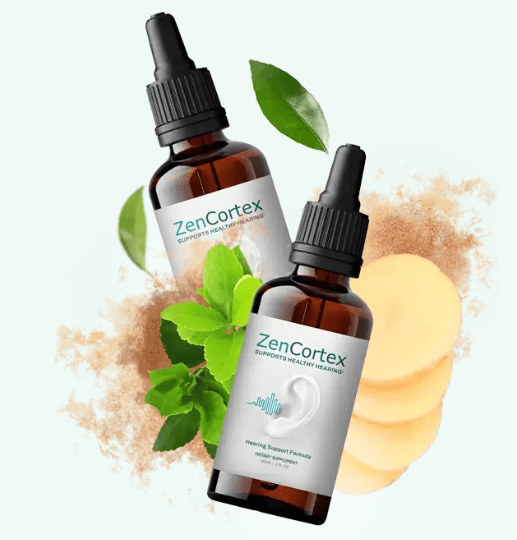
ZenCortex – Comprehensive Hearing Support
Best For: Antioxidant & inflammation support
Rating: ★★★★★ (4.8/5 reported)
🔗 Order ZenCortex
Price: $69 per bottle
90-day money-back guarantee
Why I Recommend This
ZenCortex felt different from straightforward amino-acid or calming formulas. Its emphasis is on protecting the ear itself — with antioxidants like grape seed, green tea, and Panax ginseng.
During perimenopause, when mitochondrial efficiency drops and oxidative stress increases, protecting delicate inner-ear cells becomes crucial.
The overwhelmingly positive user ratings reflect that many women saw real, noticeable improvement — not just minor relief.
Benefits
✨ Strong antioxidant support for inner ear protection
✨ Anti-inflammatory ingredients may reduce long-term stress on hearing tissue
✨ Broad systemic nourishment (not just tinnitus focus)
✨ 60-day money-back guarantee
Potential Disadvantages
⚠ Not as specialized for neurotransmitter balance
⚠ Typically requires consistent use for weeks
⚠ Best used as part of a comprehensive routine (not alone)
👉 If your tinnitus developed gradually or feels linked to inflammation and oxidative stress, ZenCortex’s deeper protective approach may be best.

Tinnitus Relief for Ringing Ears – Ear Comfort Support
Best For: Gentle, basic antioxidant support
Rating: ★★★★☆
🔗 Get it here
Price: $23.87
30-day money-back guarantee
Why This Can Help
Not everyone needs a complex herbal/nutrient cocktail. For some women, simple support to ear comfort + antioxidants is a perfect first step. This formula provides plant extracts and essential vitamins designed to support ear wellness and reduce sensory overwhelm.
Benefits
✨ Simple, gentle formula
✨ Antioxidant support for ear nerve health
✨ Easy daily dosing
✨ Affordable and beginner-friendly
Potential Disadvantages
⚠ Not as potent as specialized formulations
⚠ Results vary widely
⚠ Better as foundational support, not a full solution
👉 If you’re starting your tinnitus journey or need gentle ear support, this is a budget-friendly option.
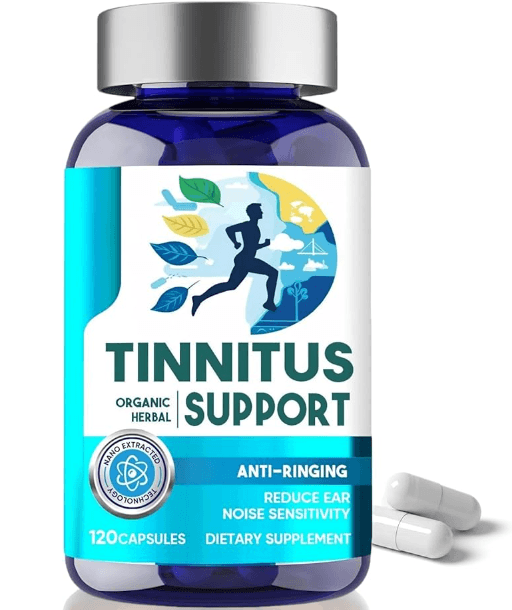
Tinnitus Supplement with Vitamin C & B Complex
Best For: Nervous system calming + circulation support
Rating: ★★★★☆
🔗 Shop here
Price: $19.87
No money-back guarantee
What Makes This One Different
This formula pairs Vitamin C with a B-complex blend, which matters for inner-ear nerve health and stress modulation. B vitamins are vital for neurotransmitter production and energy metabolism, and Vitamin C supports blood vessel integrity.
Some women report softer, less intrusive ear noise with consistent daily use.
Benefits
✨ B vitamins support nervous system function
✨ Vitamin C supports blood vessel health
✨ Calming effect for some nervous system-related ringing
Potential Disadvantages
⚠ Not as targeted as clinical blends
⚠ Results depend on deficiency status
⚠ Mid- to long-term use required for noticeable changes
👉 If your tinnitus spikes with stress and you suspect nutrient gaps, this B-complex formula may help.
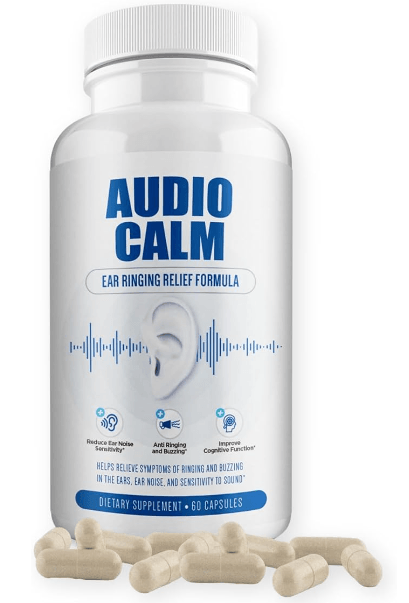
Audio Calm – Natural Ear Health Vitamins
Best For: Antioxidant and overall ear wellness
Rating: ★★★★☆ (4.0/5)
🔗 Try Audio Calm here
Price: $59.99
No money-back guarantee
Why Some Women Like It
Audio Calm focuses on antioxidant protection with B vitamins and botanical extracts to support nerve health in the ears. It's designed specifically to reduce buzzing, clicking, and other tinnitus symptoms while promoting comfort.
Many women appreciate that it also supports restful sleep, which can indirectly reduce tinnitus intensity over time.
Benefits
✨ Gentle but supportive for general ear wellness
✨ Antioxidant protection
✨ May support sound tolerance + sleep
Potential Disadvantages
⚠ Not deeply targeted for neurological tinnitus
⚠ Results vary widely
⚠ Better as supportive – not a stand-alone fix
👉 If your tinnitus is mild and you want foundational support, this is a solid choice.
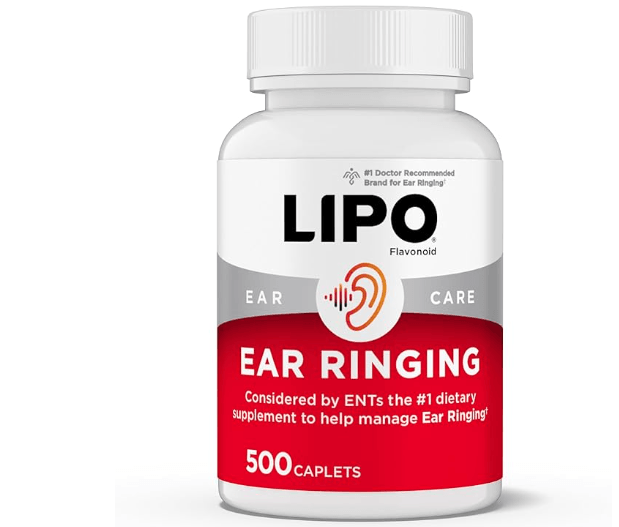
Lipo-Flavonoid Plus – Clinically Recognized Ear Support
Best For: Microcirculation & traditional tinnitus support
Rating: ★★★★☆ (clinically observed)
🔗 Shop here
Price: $105.99
No money-back guarantee
Why This Has Longevity
This is one of the classic formulas many doctors have recommended for decades. Lemon bioflavonoids and B vitamins work together to support microcirculation within the inner ear — especially when tinnitus has a vascular component.
Many women see gradual improvement after the recommended 60-day dosing period.
Benefits
✨ Long history of clinical use
✨ Targets microcirculation in the inner ear
✨ Many women report real symptom relief
Potential Disadvantages
⚠ Requires consistent daily dosing (6 caplets early on)
⚠ Not everyone responds equally
⚠ Best for circulation-related ringing, not neural hyperactivity
👉 If your tinnitus feels pressure-related or gradually progressive, this classic choice might be worth it.
Comparison Table —
Best Tinnitus Supplements for Women Over 40
Supplement
Best for
Main Focus
Rating
How to Choose the Best Tinnitus Supplement for Women Over 40
The most effective supplement depends on your symptom pattern:
Ringing + pressure → Circulation support
Ringing + brain fog → Neurological support
Ringing + anxiety → Nervous system calming
No supplement replaces medical evaluation. But choosing the right mechanism dramatically increases your chance of improvement.
Seek urgent medical attention if you experience:
Sudden hearing loss in one ear
Severe spinning vertigo lasting hours
Double vision or facial weakness
Slurred speech
Numbness or tingling on one side of the body
Chest pain or irregular heartbeat
Fainting episodes
Persistent unilateral tinnitus
New severe headaches, unlike previous ones
These symptoms could indicate conditions such as vestibular neuritis, Meniere’s disease, stroke, cardiovascular instability, or neurological disorders. Hormones are powerful, but they are not the only possible explanation.
If your tinnitus is new, unilateral, or worsening rapidly, a hearing evaluation and basic cardiovascular assessment are wise.
The Emotional Side No One Talks About
No one prepares you for the emotional weight of tinnitus during perimenopause.
The medical explanations talk about hormones, circulation, and neurotransmitters. But they rarely talk about what it feels like at 2:17 a.m. when the house is silent, and the ringing is the loudest thing in the room.
For me, it wasn’t just the sound. It was the fear behind it.
The dizziness would come out of nowhere — standing in the grocery store line, turning my head too quickly, getting out of bed. A sudden wave of lightheadedness would hit, and my heart would race. What is happening to me? I would think. Am I dehydrated? Is this anxiety? Is something seriously wrong?
Then at night, when everything slowed down, the ringing felt amplified. I remember lying in bed staring at the ceiling, listening to the high-pitched tone in my ears, and whispering to myself, Is this my new normal? Is this permanent?
What made it harder was how easily it was dismissed.
“It’s just stress.”
“You’re getting older.”
“It’s hormones.”
But those answers didn’t calm the fear.
Here’s what finally helped: understanding what was actually happening.
When estrogen fluctuates during perimenopause, it affects blood flow, nerve signaling, inflammation levels, and even how the brain processes sound. The auditory system becomes more sensitive. The vestibular system — responsible for balance — can become unstable.
Cortisol increases perception of internal sensations, which makes ringing feel louder.
In other words, my body wasn’t failing me. It was recalibrating.
And the moment I understood that, something shifted.
My fear decreased. And when fear decreased, the ringing softened. Not overnight. Not magically. But noticeably.
Because tinnitus is not just an ear issue — it’s a nervous system issue. And a scared nervous system amplifies everything.
If you are feeling anxious, destabilized, or dismissed, please hear this: your experience is real. Your symptoms make physiological sense. And most importantly, this is not a sign that you are “breaking down.”
It is a season of hormonal transition — and seasons change.
Final Thoughts
If you are a woman over 40 experiencing tinnitus, ringing ears, dizziness, or balance disturbances, I want you to know something I wish someone had told me sooner:
You are not alone. And you are not imagining it.
Hormonal shifts during perimenopause and menopause profoundly affect the auditory and vestibular systems. They influence microcirculation in the inner ear, mitochondrial energy production, neurotransmitter balance, and inflammation levels. When those systems fluctuate, symptoms can appear suddenly and feel alarming.
But alarming does not mean irreversible.
What helped me was shifting from panic to strategy.
Instead of asking, “Why is this happening to me?” I began asking, “What does my body need right now?”
Stabilizing blood sugar reduced dizzy spells.
Calming my nervous system lowered the intensity of the ringing.
Improving circulation supports inner ear health.
Addressing stress reduced symptom spikes.
Supporting mitochondrial function improved overall resilience.
And yes, choosing targeted supplementation made a difference over time.
Not instantly. But steadily.
This stage of life is not a breakdown — it’s a recalibration. Your body is adjusting to a new hormonal baseline. With the right support, that adjustment can feel manageable instead of terrifying.
There may still be loud days. There may still be moments of frustration. But there can also be quieter days, steadier balance, and renewed confidence.
You deserve solutions that respect both the science and the emotional experience of being a woman over 40 navigating tinnitus.
And most of all, you deserve hope grounded in understanding — not dismissal.
Frequently Asked Questions About Tinnitus in Women Over 40
1. Why am I experiencing ringing ears after 40?
Ringing ears after 40 — medically known as tinnitus — is surprisingly common in women entering perimenopause and menopause. As estrogen and progesterone fluctuate, they affect blood flow, nerve signaling, inflammation levels, and even how the brain processes sound.
Estrogen plays a protective role in the auditory system. When levels drop or fluctuate, the inner ear and auditory nerves can become more sensitive. This sensitivity may cause ringing, buzzing, hissing, or pulsating sounds.
If your tinnitus appeared in your 40s without a clear injury or loud noise exposure, hormonal shifts could absolutely be contributing.
And no, you are not imagining it.
2. Can perimenopause cause tinnitus and dizziness at the same time?
Yes, and this combination can feel especially frightening.
During perimenopause, hormonal changes affect both:
The auditory system (hearing and sound perception)
The vestibular system (balance and spatial orientation)
This is why many women experience ringing ears along with dizziness, lightheadedness, or brief vertigo episodes.
Fluctuating estrogen can impact inner ear fluid regulation and circulation.
At the same time, stress hormones like cortisol can amplify sensory perception — making tinnitus feel louder, and dizziness feel more dramatic.
If you’ve ever thought, “Why do I feel off balance and hear ringing at the same time?” — there is a physiological explanation.
3. Is tinnitus during menopause permanent?
This is one of the most common fears.
The honest answer is: it depends on the underlying cause.
If tinnitus is related to hormonal instability, nervous system hypersensitivity, inflammation, or circulation changes, many women experience significant improvement once those systems stabilize.
However, if tinnitus is caused by structural hearing damage or long-term noise exposure, it may not fully disappear — though intensity can often be reduced.
What’s important is this: tinnitus during menopause is often manageable, even if it doesn’t vanish completely. Many women report that once they calm their nervous system and address hormonal imbalances, the ringing becomes softer and less intrusive.
It does not automatically mean “this is forever.”
4. Why is my tinnitus worse at night?
If your ringing ears feel louder at night, you are not alone.
There are three main reasons:
The environment becomes quiet, so internal sounds stand out.
Cortisol drops, changing how the brain filters sound.
Anxiety tends to surface when distractions are gone.
During perimenopause, sleep disruption and stress sensitivity can amplify this pattern.
Nighttime tinnitus does not necessarily mean your condition is worsening — it often reflects nervous system fatigue.
Many women find relief by improving sleep hygiene, reducing evening stress, stabilizing blood sugar before bed, and using a gentle background sound.
5. Can stress make tinnitus worse after 40?
Absolutely.
Stress increases cortisol and adrenaline, which heighten sensory perception. When the nervous system is on alert, the brain can amplify internal signals — including ringing.
This is why many women notice tinnitus spikes during:
Emotional overwhelm
Work stress
Family responsibilities
Poor sleep
Tinnitus is not “just stress.” But stress can make it louder.
Calming the nervous system often reduces perceived intensity, even if the underlying cause remains.
6. Should I see a doctor for tinnitus during perimenopause?
Yes — especially to rule out serious causes.
Seek medical evaluation if you experience:
Sudden hearing loss
Ringing in only one ear
Severe vertigo
Facial weakness
Persistent ear pain
Pulsating tinnitus in sync with your heartbeat
Most perimenopause-related tinnitus is benign but disruptive. However, ruling out structural or vascular causes provides peace of mind — and peace of mind itself often reduces symptom intensity.
Never ignore sudden or severe changes.
7. What is the best tinnitus supplement for women over 40?
The best tinnitus supplement for women over 40 depends on your symptom pattern.
If your ringing feels pressure-related or vascular → circulation support may help.
If your tinnitus worsens during stress or brain fog → neurological support may be beneficial.
If your symptoms spike at night → nervous system calming formulas may offer relief.
There is no universal “magic pill.” The most effective approach addresses the mechanism driving your symptoms.
Consistency is critical — most supplements require 6–12 weeks before noticeable change occurs.
8. Can blood sugar swings cause dizziness and ringing ears?
Yes — and this is often overlooked.
During perimenopause, insulin sensitivity can change. Blood sugar fluctuations may trigger:
Lightheadedness
Anxiety
Heart palpitations
Temporary ringing spikes
Stabilizing blood sugar through balanced meals (protein + fiber + healthy fats) can significantly reduce dizziness episodes in many women over 40.
Sometimes what feels neurological is metabolic.
9. Why does my tinnitus make me feel anxious?
Because constant sound can feel threatening.
Your brain is wired to pay attention to unusual stimuli. When tinnitus appears, the brain interprets it as something that needs monitoring. This hyper-awareness can trigger anxiety — and anxiety can amplify the ringing.
It becomes a feedback loop.
Breaking that loop — through nervous system regulation, reassurance, and understanding the hormonal connection — often reduces both anxiety and tinnitus intensity.
You are not “overreacting.” Your brain is doing what it’s designed to do.
10. Will this phase pass?
For many women, yes — especially once hormones stabilize post-menopause.
Symptoms often fluctuate during perimenopause and gradually become more predictable. With targeted support — circulation, stress reduction, sleep optimization, nutritional balance, and appropriate supplementation — many women experience meaningful relief.
This season of life is transitional, not catastrophic.
Your body is adjusting to a new hormonal baseline. And with the right support, it can feel steady again.
11. Is dizziness during perimenopause normal?
Yes — dizziness during perimenopause is more common than most women realize, and it can feel incredibly unsettling.
Many women over 40 describe episodes of lightheadedness, feeling “off balance,” brief spinning sensations, or a sudden wave of unsteadiness when standing up or turning their head quickly. This happens because hormonal fluctuations — especially estrogen changes — affect the vestibular system (the inner ear system responsible for balance).
Estrogen influences blood vessel elasticity, inner ear fluid regulation, and even how the brain processes spatial orientation. When hormone levels swing unpredictably, the body can temporarily struggle to regulate balance.
In addition, perimenopause often brings:
Blood sugar fluctuations
Changes in blood pressure
Increased cortisol (stress hormone)
Sleep disruption
All of these can amplify dizziness.
If your dizziness is mild, intermittent, and coincides with other hormonal symptoms, it may very well be perimenopause-related. However, seek medical evaluation if you experience severe vertigo, fainting, chest pain, or sudden neurological changes.
Most importantly: dizziness during perimenopause does not mean something catastrophic is happening — but it does deserve attention and support.
12. How do you know you are in perimenopause? (Common symptoms after 40)
One of the hardest parts of perimenopause is that it rarely announces itself clearly.
Many women ask, “How do I know if I’m in perimenopause, or is this just stress?”
Perimenopause typically begins in the early to mid-40s (sometimes late 30s) and can last several years before menopause officially occurs. It is defined by fluctuating — not consistently low — hormone levels.
Common symptoms of perimenopause after 40 include:
Irregular periods (shorter, longer, heavier, or skipped cycles)
Ringing ears or tinnitus
Dizziness or balance issues
Increased anxiety or mood swings
Brain fog or memory lapses
Sleep disturbances
Hot flashes or night sweats
Heart palpitations
Weight gain, especially around the midsection
Increased sensitivity to stress
What makes this stage confusing is that symptoms can come and go. You may feel completely normal one month and completely destabilized the next.
I remember questioning myself constantly — Am I just overwhelmed? Am I deficient in something? Why do I suddenly feel different in my own body?
What helped me was recognizing the pattern: symptoms clustering around cycle changes, stress sensitivity increasing, and new physical sensations (like tinnitus and dizziness) appearing alongside menstrual irregularity.
If you are over 40 and experiencing multiple symptoms listed above — especially irregular cycles combined with ringing ears or dizziness — perimenopause is a very likely contributor.
A healthcare provider can confirm hormonal trends through symptom tracking and, in some cases, lab work — but often, the pattern itself tells the story.
And knowing the story reduces fear.
COMPARTE


Suscríbete ahora.
Regístrate a nuestra newseletter para recibir las historias más interesantes del día directo en tu correo electrónico antes que cualquier persona
Creado con ©systeme.io• Política de Privacidad • Términos del servicio