
Anxiety, Heart Palpitations, Panic Attacks, Rage & Brain Fog During Perimenopause
Subscribe to my email list
Get simple, research-backed tips for better sleep, balanced energy, and relief from menopause symptoms—delivered straight to your inbox.
Why Women Over 40 Feel Emotionally Overwhelmed, Exhausted, Wired, and Unlike Themselves
There is a very specific kind of exhaustion that begins during perimenopause.
Not normal tiredness. Not simply “having a stressful week.” The kind of exhaustion where you wake up already anxious.
Where your heart starts racing while doing something completely ordinary. Where small noises suddenly feel overwhelming.
Where you feel emotionally fragile, overstimulated, exhausted, and somehow still unable to relax.
If you are experiencing anxiety, heart palpitations, panic attacks, rage, insomnia, or brain fog during perimenopause, you are not alone.
If you are a woman over 40, quietly go through this stage, wondering why you suddenly feel unlike yourself.
One day, you are handling life normally. Next, you are lying awake at 3 a.m. with a pounding heart, forgetting simple words mid-sentence, snapping at people you love, or crying over things that normally would not affect you.
And because perimenopause symptoms are often reduced to hot flashes and irregular periods, the emotional symptoms feel shocking.
You start wondering:
“Why am I suddenly so anxious?” “Why does everything feel harder lately?” “Why can’t I handle stress the way I used to?”
The answer is not weakness. It is a hormonal change.
The Emotional Symptoms of Perimenopause Are Real
One of the biggest misconceptions about perimenopause is that it only affects reproduction.
Hormonal fluctuations affect the brain, nervous system, sleep quality, mood, stress tolerance, memory, and energy levels.
That is why emotional symptoms of menopause and perimenopause feel so intense.
Your patience feels thinner. Your stress tolerance is lower. Your nervous system is constantly “on.”
Every day responsibilities are emotionally heavy. And from the outside, nobody realizes how overwhelmed you feel.
You are still showing up, still working, still taking care of everyone, and still managing responsibilities.
But internally, your body never fully relaxes anymore.
This is one reason hormonal anxiety after 40 is so confusing. Probably, you spent most of your life feeling emotionally steady, patient, capable, and resilient.
That is why it is so unsettling when you become reactive, anxious, overstimulated, exhausted, or mentally scattered without understanding why.

Anxiety During Perimenopause Is Completely Different
Perimenopause anxiety does not always look the way people expect.
You are not necessarily sitting there thinking anxious thoughts all day.
Instead, you feel like your body forgot how to relax.
You finally sit down at night, but your chest is tight. You get into bed exhausted, but your brain suddenly replays conversations from five years ago.
You wake up at 3 a.m. with your heart racing for no reason.
You are overstimulated by grocery stores, group texts, loud restaurants, or simply hearing someone ask you for one more thing.
You're noticing that things your body handled easily before suddenly hit differently.
Coffee makes you shaky. Alcohol ruins your sleep. Stress lingers in your body for hours. One bad night of sleep makes you emotionally unstable the next day.
You keep telling yourself to calm down, but your nervous system is stuck in overdrive.
And the hardest part is that your life looks completely normal from the outside.
But internally, you feel wired, exhausted, emotionally thin, and unlike yourself.
Heart Palpitations During Menopause Are Scary
Heart palpitations during menopause and perimenopause are one of the most alarming symptoms you experience.
Sometimes it feels like fluttering, pounding, or like your heart skips a beat.
The sensation alone triggers even more anxiety.
You are hyperaware of your heartbeat, while your nervous system becomes more activated.
Commonly, heart palpitations during menopause happen more often:
At night
During stressful periods
After caffeine
After sugar or alcohol
During poor sleep
Before a period
During moments of emotional overwhelm
The difficult part is that anxiety and palpitations often feed each other.
The more anxious you feel, the more intense the sensation becomes.
Panic Attacks in Perimenopause Come Out of Nowhere
One of the most confusing experiences during perimenopause is having a panic attack when nothing “bad” even happened.
You feel:
Chest tightness
Racing heartbeat
Dizziness
Sweating
Shaking
Fear or panic
A sense of doom
Shortness of breath
If you have never struggled with panic attacks before, they are terrifying.
You wonder if something is seriously wrong with your body because the symptoms are so physical and intense.
But often, the nervous system has already been under chronic pressure for years.
Poor sleep, hormonal fluctuations, emotional stress, overstimulation, blood sugar swings, and exhaustion slowly accumulate.
Eventually, the body reaches a point where even small triggers feel overwhelming.
Why Rage During Perimenopause Is So Intense
Nobody really prepares you for the rage during perimenopause. Not simple irritation. A deeper emotional intensity.
The kind where one more demand, one more interruption, or one more stressful moment suddenly feels unbearable.
Then, afterward comes guilt. A lot of guilt.
But underneath that anger is exhaustion. Years of stress. Mental overload. Sleep deprivation, a nervous system running on empty.
By this stage of life, you have carried an enormous emotional weight every day.
You are balancing work, relationships, caregiving, financial stress, family responsibilities, and years of emotional labor while trying to function normally.
Perimenopause reduces the body’s ability to buffer stress the way it once did, which is why things that once felt manageable now are emotionally exhausting, overstimulating, or impossible to carry the same way.
And eventually, all of that pressure comes out as anger.
Not because you are a bad person. Not because you are “too emotional.”
But because your mind and body are exhausted from holding so much for so long without enough rest, recovery, or support.
Brain Fog During Perimenopause Makes You Feel Doomed
Brain fog during menopause is not forgetting where you left your keys once.
It is walking into a room and completely forgetting why you went there. It is opening your phone and forgetting what you were about to search.
It is rereading the same email three times because your brain refuses to focus. It is losing simple words mid-conversation, even though you know exactly what you want to say.
And if you have always been organized and mentally sharp, this part is emotionally challenging.
You start wondering why your brain is slower, why multitasking is impossible, or why basic decisions are mentally exhausting.
Then the self-doubt starts.
You question yourself during meetings. You forget appointments. You feel embarrassed when your mind goes blank in conversations.
And when poor sleep gets added into the mix, everything feels worse.
After several nights of interrupted sleep, your patience becomes thinner. Your emotions feel bigger. Your cravings intensify. Your focus disappears.
You begin functioning in survival mode instead of feeling clear, calm, and mentally present.
Why You Are Wired but Exhausted During Perimenopause
You feel exhausted all day. You tell yourself you will go to sleep early because you can barely keep your eyes open.
But the moment your head hits the pillow, your brain suddenly feels alert.
Your body is tired, but your nervous system is awake.
You toss around thinking about work, family, responsibilities, your health, random conversations, things you forgot to do, or everything waiting for you tomorrow.
Then morning comes, and you never truly rested.
You start depending more on caffeine to function. Then caffeine makes your anxiety worse. Then poor sleep makes the brain fog worse. Then the exhaustion makes you emotionally reactive.
And suddenly you no longer feel like yourself. Even simple things become harder.
A messy kitchen is overwhelming. Noise is irritating. You lose patience faster. You crave silence. You fantasize about being alone for a few hours, so your nervous system can finally calm down.
This is why you're feeling “wired but tired.”
Your body is asking for recovery, but your nervous system no longer knows how to switch off.
What Helps Anxiety and Emotional Symptoms During Perimenopause?
There is no single solution, but supporting the nervous system can make a significant difference.
You will feel better when you:
Improve sleep quality
Reduce caffeine
Stabilize blood sugar
Walk daily
Prioritize protein
Spend more time outdoors
Practice nervous system regulation
Reduce overstimulation
Support stress recovery
Focus on strength and recovery instead of punishment
You start to explore magnesium, hormonal support, menopause supplements, therapy, mindfulness practices, and nervous system support as you begin realizing your body needs a different kind of care now.
You must improve your sleep. Because when you finally start sleeping more deeply, everything else often feels more manageable.
Your anxiety becomes lower. Your nervous system is calmer. Your cravings are easier to control. Your patience improves. Your body recovers.
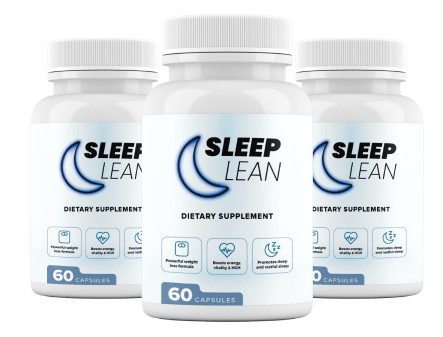
Begin looking into sleep and metabolism support supplements like SleepLean during perimenopause, when poor sleep, stress, weight gain, nighttime waking, and nervous system overload often start happening together.
Instead of focusing only on weight, you need support for deeper issues connected to midlife changes — including sleep quality, recovery, relaxation, emotional stress, and metabolic health.
The most important thing is understanding that these symptoms are not “all in your head.”
Your body is moving through a major hormonal and neurological transition.
Perimenopause Anxiety, Panic, and Brain Fog
Perimenopause and menopause affect far more than periods.
It affects how you sleep, think, feel, cope with stress, process emotions, and move through everyday life.
If you are emotionally overwhelmed, anxious, exhausted, reactive, mentally foggy, or unlike yourself lately, there is a deeper biological reason behind what you are experiencing.
And sometimes the most healing thing you can hear is to understand that you are not imagining this.
Stop believing you are losing yourself; you are moving through one of the biggest hormonal and neurological shifts of your life.
And you deserved support long before you reached complete exhaustion.
First-time customers typically receive a significant discount. Ships discreetly with tracking.
Medical Disclaimer: This article is for informational purposes only and does not constitute medical advice. Always consult a qualified healthcare provider before making changes to your health regimen or beginning any supplement or medication.
© 2026 · Midlife & Thriving · All rights reserved
COMPARTE


Suscríbete ahora.
Regístrate a nuestra newseletter para recibir las historias más interesantes del día directo en tu correo electrónico antes que cualquier persona
Creado con ©systeme.io• Política de Privacidad • Términos del servicio