
How to Stop Night Sweats During Perimenopause
Subscribe to my email list
Get simple, research-backed tips for better sleep, balanced energy, and relief from menopause symptoms—delivered straight to your inbox.
Perimenopause sleep guide.
The no-nonsense guide to reclaiming cool, restful sleep — because you deserve more than damp sheets and exhausted mornings.
For: Women 40+ in perimenopause & menopause · Read time: 12 minutes · Last updated: April 2026
This article contains affiliate links. If you purchase through some of the links below, I may earn a small commission at no extra cost to you. I only recommend products I genuinely believe can help women navigate perimenopause, menopause, and empty-nest years.
You wake up at 3 a.m., soaked. Again. The sheets are damp, your pajamas are clinging to you, and your partner is somehow completely fine. You throw off the covers, lie there freezing, then overheat again — and now sleep is absolutely out of the question.
If this is your life right now, welcome to one of the least-talked-about joys of perimenopause: night sweats. And you are decidedly not alone. Studies suggest that up to 75% of women in perimenopause and menopause experience night sweats or hot flashes at some point. For many of us, they disrupt sleep for years.
The good news? There's a lot you can do. And no, the answer isn't just "learn to live with it." From the fabric your pajamas are made of to what you had for dinner, small changes add up to genuinely better nights.
"This phase of life is real, it's hormonal, and it deserves practical, honest solutions — not just a pat on the back and a fan."
— The principle behind this guide
Why Night Sweats Happen During Perimenopause
Before we fix something, it helps to understand it.
Perimenopause — the transition phase leading up to menopause, which can begin as early as your late 30s and typically spans your 40s — is characterized by fluctuating estrogen levels. These hormonal shifts directly affect your brain's hypothalamus, the region that acts as your body's internal thermostat.
When estrogen drops or swings, the hypothalamus can misread your body temperature, deciding it's too hot even when it isn't.
The result? It triggers your body's cooling response: vasodilation (blood vessels widen, causing that flushing feeling), sweating, and sometimes heart palpitations. At night, this plays out as the classic perimenopausal night sweat.
Progesterone levels also decline during perimenopause, which can affect your sleep architecture independently, making you a lighter sleeper and more sensitive to temperature changes. The combination is not fun.
Key insight
Night sweats during perimenopause are not a sign that something is wrong with you — they're a physiological response to hormonal shifts. But their frequency and severity are absolutely influenced by your habits, environment, and choices.
Hot Flashes vs. Night Sweats: What's Actually the Difference?
People often use these terms interchangeably, but they're not the same thing — and understanding the distinction can help you manage each one better.
☀️ Hot Flashes
Happens during the day (and sometimes at night)
Sudden intense wave of heat
Face, neck, and chest flushing
Can include heart palpitations
Last 1–5 minutes on average
May or may not include sweating
🌙 Night Sweats
Happens during sleep (or just before/after)
Heavy, drenching sweating
Often wakes you from sleep
Can drench sheets and clothing
May be preceded by a hot flash
Lead to chills as the body cools down
In short, a hot flash is the heat event; a night sweat is often the nocturnal expression of that same thermoregulation malfunction, but typically more intense because you're lying still under covers in a warm bed.
Both can occur at any stage — perimenopause, during the menopausal transition, and even post-menopause. Both benefit from the same core strategies we'll cover below.
The Best Fabrics for Night Sweat Pajamas (and the Ones to Ditch)
What you wear to bed is one of the most immediately actionable things you can change tonight. Fabric choice can be the difference between waking up soaked or sleeping through.
Here's what science — and thousands of sweaty-night survivors — recommends:
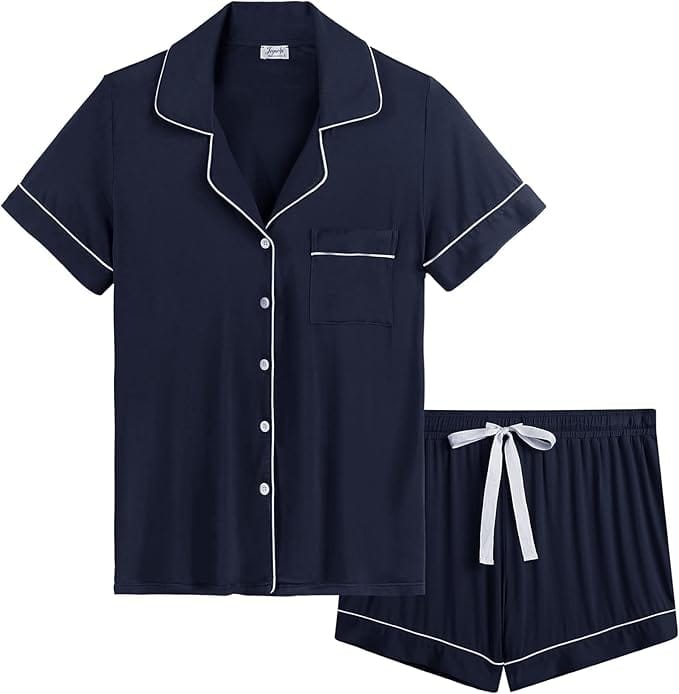
The standout for night sweats.
Bamboo viscose wicks moisture away from skin beautifully, breathes exceptionally well, and feels silky-soft.
Naturally thermo-regulating and gentle on sensitive perimenopausal skin.
Highly recommended.
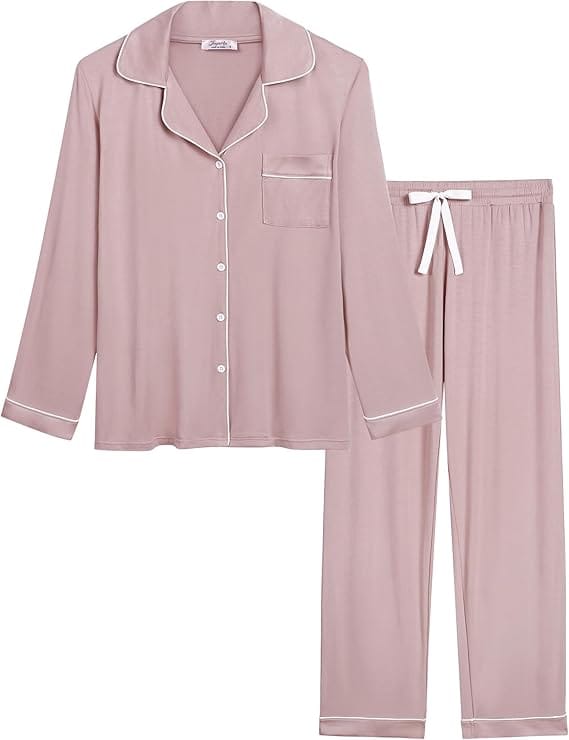
Modal is a type of rayon made from beech trees.
It's ultra-soft, breathable, and holds up beautifully through many washes.
Often blended with spandex for stretch. Feel-good fabric that moves with you.
Highly recommended
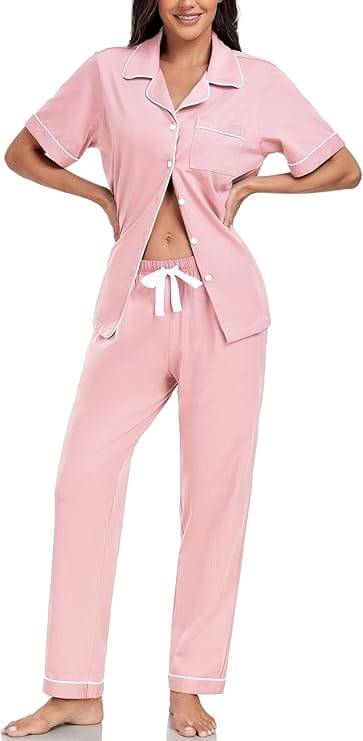
100% Cotton
****
Natural, breathable, and widely available.
Pure cotton (not cotton blends) allows air circulation and absorbs sweat.
Lighter weaves like voile or jersey cotton work best — flannel holds heat and is a firm no.
Good choice
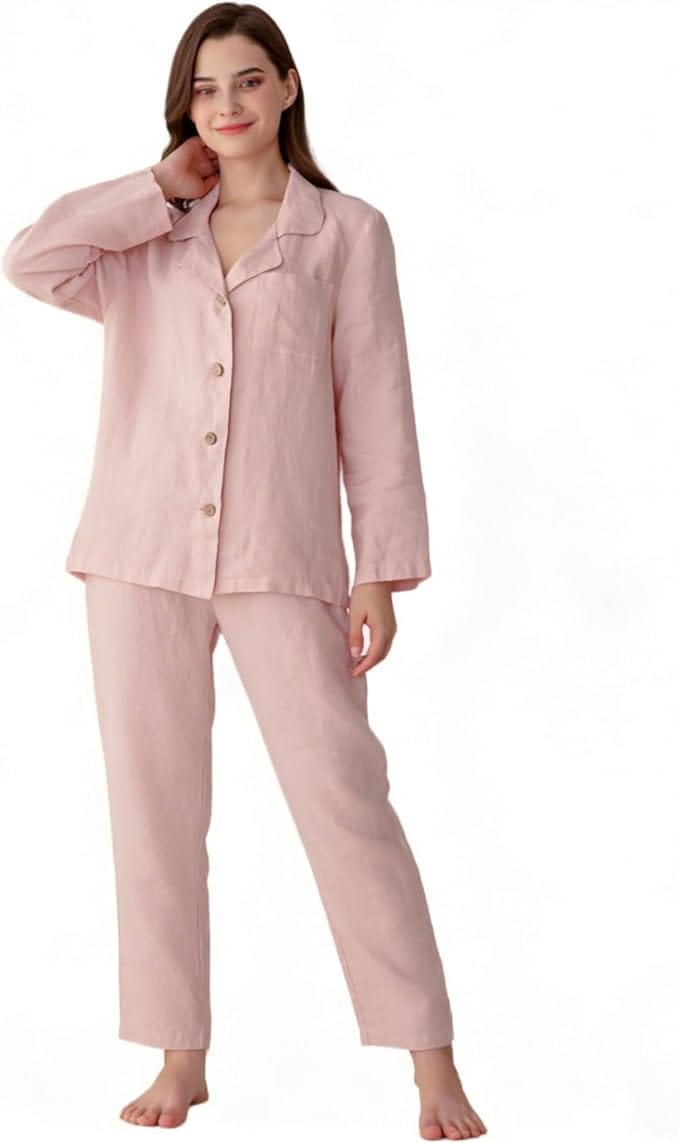
Linen
****
One of the most breathable natural fabrics available. Gets softer over time.
Slightly textured feel isn't for everyone, but it excels at temperature regulation in warmer months.
Good choice
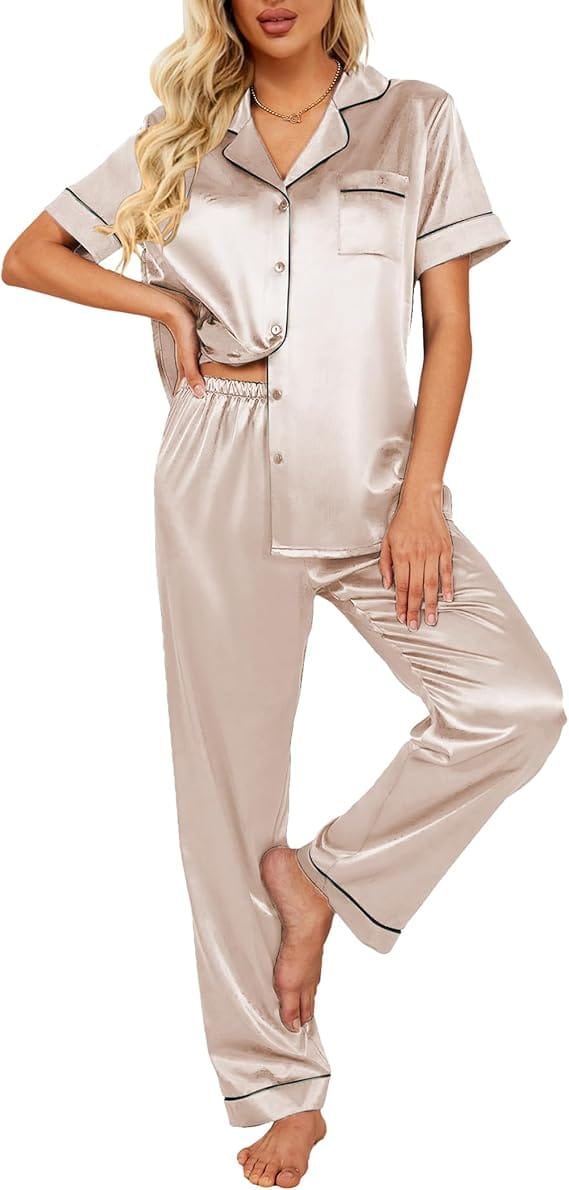
Silk
***
Silk feels luxurious and is naturally temperature-regulating.
However, it absorbs moisture poorly compared to bamboo or modal, and can feel clammy once you sweat.
Expensive to launder frequently. A treat, not a solution.
With caveats
Synthetic Blends
*
Polyester, nylon, and acrylic trap heat and don't allow skin to breathe.
Even "athletic" moisture-wicking synthetics designed for exercise can feel uncomfortable overnight.
Avoid if at all possible.
Avoid
Top-Rated Bamboo Pajamas for Night Sweats
Look for sets labeled "viscose from bamboo" — these consistently top the reviews from women managing perimenopausal night sweats. Key features to look for: loose fit, short sleeves or sleeveless options, and moisture-wicking certification.
Shop Bamboo Pajamas on Amazon →
As an Amazon Associate, we earn from qualifying purchases.
What About Bed Sheets?
Your pajamas are only half the story. Your sheets and pillowcases matter enormously.
The same fabric rules apply: bamboo-derived sheets are widely considered the gold standard for hot sleepers, followed by linen and percale cotton (tightly woven sateen can trap heat despite being cotton).
Aim for a thread count between 300 and 400 — beyond that, sheets tend to feel denser and less breathable.
Cooling Sheets Built for Hot Sleepers
Bamboo-derived and eucalyptus (Tencel) sheets are the most recommended options among women in perimenopause and menopause. Look for OEKO-TEX certified options to ensure chemical safety on skin.
Shop Cooling Sheets on Amazon →
As an Amazon Associate, we earn from qualifying purchases.
Lifestyle Changes That Actually Help Night Sweats
Beyond what you wear, how you live during the day directly impacts what happens at night. These aren't minor tweaks — they're meaningful interventions that women in perimenopause consistently report making a measurable difference.
Sleep research consistently points to 65–68°F (18–20°C) as the optimal range for most people. Still, women managing perimenopausal night sweats often do better at the cooler end of that range or below it.
If your partner runs cold, consider separate blankets (this Scandinavian sleep method has gained devoted fans in midlife households everywhere).
Regular aerobic exercise — 30 minutes most days — has been shown in multiple studies to reduce the frequency and intensity of hot flashes and night sweats.
However, exercising vigorously within 3 hours of bedtime can raise your core body temperature at exactly the wrong time.
Morning or early afternoon workouts are ideal during perimenopause.
A large or spicy meal close to bedtime raises your core temperature, which can trigger your thermostat to go haywire overnight.
Aim to finish eating at least 2–3 hours before bed.
Keep evening meals on the lighter side, and watch for personal trigger foods (more on this below).
Slow, deep diaphragmatic breathing — six breaths per minute — has genuine evidence behind it as a way to blunt hot flash intensity.
When you feel one coming on at night, try inhaling for 4 counts, holding for 2, exhaling for 6. It activates the parasympathetic nervous system and can interrupt the heat cascade.
Foods rich in plant-based estrogens — soy products (edamame, tofu, tempeh), flaxseeds, chickpeas — may help mildly modulate estrogen fluctuations.
The evidence is mixed, and individual responses vary widely, but many women find adding these to their diet helps at the margins.
Cortisol (your stress hormone) directly interacts with estrogen pathways. High stress = more volatile hormone fluctuations = more frequent night sweats.
This is the phase of life where yoga, meditation, therapy, long walks, or whatever genuinely calms you, stops being optional wellness advice and becomes legitimate symptom management.
Dehydration can make hot flashes and night sweats more intense. Aim for at least 8 glasses of water daily.
Herbal teas (cooled or lukewarm) count.
Limit hydration to modest amounts in the hour before bed to avoid overnight disruptions.
If you can't change your mattress, a phase-change cooling topper or an actively cooled pad can dramatically reduce the thermal environment you're sleeping in. These have become genuinely popular and effective tools for perimenopausal women.
Cooling Mattress Toppers & Pads
Actively cooled mattress pads (like those with circulating water or air) offer the most dramatic results, while phase-change gel toppers provide a more affordable entry point.
Either can meaningfully transform your sleep environment.
Shop Cooling Mattress Toppers on Amazon →
As an Amazon Associate, we earn from qualifying purchases.
What to Avoid: The Night Sweat Triggers Most Women Don't Expect
Some triggers are obvious. Others genuinely surprise women. Here's a comprehensive look at what to reduce or eliminate — especially in the hours before bed:
Alcohol, especially wine
Even small amounts of alcohol can dilate blood vessels and raise core body temperature, the exact mechanism behind a hot flash. Wine in particular (red more than white) is one of the most commonly reported night sweat triggers. If you do drink, finish at least 3 hours before sleep.
Caffeine after 2 p.m.
Caffeine has a half-life of 5–7 hours in most people. It stimulates your nervous system, elevates heart rate, and can intensify hot flash symptoms. It also disrupts sleep architecture directly. Perimenopausal women are often more caffeine-sensitive than before.
Spicy food at dinner
Capsaicin (the compound in spicy food) activates the same receptors in your body that respond to heat — TRPV1 receptors — and can directly trigger hot flash-like vasodilation. Save the spice for lunch.
Synthetic sleepwear and heavy bedding
As covered in the fabrics section, polyester, flannel, and heavy weaves trap heat and moisture. Even one microfiber pillow cover can create enough warmth to trigger a night sweat cycle.
Hot baths or showers right before bed
While a warm bath 1–2 hours before bed can actually help sleep by raising and then rapidly dropping core body temperature, a hot shower immediately before bed keeps your temperature elevated at exactly the wrong time.
Scrolling on your phone in bed
Blue light from screens suppresses melatonin and keeps your nervous system activated. Combined with perimenopausal sleep disruption, this creates a perfect storm of poor sleep and increased vulnerability to nighttime sweating episodes.
Smoking
Women who smoke enter menopause 1–2 years earlier and report significantly more severe hot flashes and night sweats than non-smokers. Nicotine constricts blood vessels and disrupts hormonal balance. This one's worth taking seriously.
Sleeping in rooms that aren't ventilated
Stale, warm air makes everything worse. Even cracking a window or running a fan creates enough air circulation to meaningfully reduce nighttime temperature peaks. A small bedside fan blowing gently can be surprisingly effective.
Your Sleep Environment: The Overlooked Solution
Think of your bedroom as a hot flash prevention system that you configure before you even lie down. Small investments here pay enormous dividends in sleep quality during perimenopause.
The Perimenopause Sleep Environment Checklist
Set your thermostat to 65–67°F (18–19°C) before bed. If that's not possible, a standing fan or tower fan directed toward your side of the bed is a solid alternative.
Many women keep a small personal fan at arm's reach so they can switch it on the moment a night sweat starts — stopping it in its tracks before it wakes them fully. This is one of the highest-rated strategies among perimenopausal women in sleep forums.
Instead of one heavy duvet, use a lightweight sheet plus a separate thin blanket you can easily kick off. The Scandinavian method of separate duvet covers for each partner has genuinely transformed many perimenopause-affected households.
Bedside Fans for Night Sweats
Quiet, compact bedside fans with multiple speeds have become a staple on perimenopause forums. Look for models under a 40dB noise level so they don't disrupt sleep while running.
As an Amazon Associate, we earn from qualifying purchases.
A cold water bottle by the bed for quick access, a damp cloth in a cooler (some women swear by this), and even a cooling pillowcase filled with phase-change material can all be part of your nighttime toolkit.
Build the system that works for your body — it's personal, and it's allowed to be elaborate.
When to Talk to Your Doctor
If night sweats are severe, occurring multiple times per night, significantly disrupting your sleep and daily functioning, or accompanied by other concerning symptoms (heavy irregular periods, chest pain, unusual fatigue), please speak with your healthcare provider.
Medical options that may be discussed include:
Hormone Replacement Therapy (HRT / MHT):
Current evidence supports HRT as safe and highly effective for most healthy women under 60 or within 10 years of menopause onset. The conversation has shifted significantly in recent years — if you were scared off HRT by older research, it may be worth revisiting with a menopause-informed practitioner.
Non-hormonal prescription options:
SSRIs, SNRIs, gabapentin, and the newer NK3 receptor antagonist class (fezolinetant) have all shown effectiveness for hot flashes and night sweats in women who cannot or do not wish to take HRT.
Supplements:
Black cohosh, red clover, and evening primrose oil have mixed but sometimes meaningful evidence. Discuss these with your doctor, as some interact with medications.
"You don't have to white-knuckle it through perimenopause. This is a medical event with real medical options — and an empowered woman knows her choices."
You know your body. You've spent 40+ years in it. Trust what it's telling you, and don't let anyone minimize your symptoms.
The Bottom Line
Night sweats during perimenopause are one of the most disruptive — and most undertreated — symptoms of this life stage. But they are not inevitable, and they are not permanent.
Between fabric choices (bamboo and modal for the win), lifestyle shifts (timing of exercise, alcohol, caffeine, and meals), environmental adjustments (cooler rooms, better sheets, a fan you can reach at 3 a.m.), and honest conversations with your doctor, there's a real path to sleeping better.
You are not in decline. You are in transition — and there's a meaningful difference. The women who navigate perimenopause with the least misery are the ones who get practical, get informed, and refuse to accept poor sleep as their new normal.
Start with one thing tonight. Maybe it's adjusting your thermostat. Maybe it's ordering bamboo pajamas. Maybe it's pouring that evening wine down the sink, just to see. One change, one better night, and then another.
You've got this.
Our curated Amazon picks for cooling pajamas, sheets, fans, and mattress toppers — everything women in perimenopause are actually buying and loving.
Medical Disclaimer: This article is for informational purposes only and does not constitute medical advice. Always consult a qualified healthcare provider before making changes to your health regimen or beginning any supplement or medication.
© 2026 · Midlife & Thriving · All rights reserved
COMPARTE


Suscríbete ahora.
Regístrate a nuestra newseletter para recibir las historias más interesantes del día directo en tu correo electrónico antes que cualquier persona
Creado con ©systeme.io• Política de Privacidad • Términos del servicio