
What Do Japanese Women Do for Menopause?
Natural Ways to Ease Dizziness, Tinnitus, Brain Fog & Anxiety After 40
There’s a moment many women don’t talk about—but all of us experience in some way.
For me, it didn’t start with hot flashes.
It started with dizziness.
At first, it was subtle. I would stand up and feel slightly off balance, like my body needed a second to catch up. I ignored it. I told myself I was just tired, maybe dehydrated.
But then one morning, the room spun so fast I had to sit back down.
And that’s when everything began to change.
Soon after came the ringing in my ears (tinnitus)—a high-pitched sound that wouldn’t go away. Then the brain fog, the kind that makes you walk into a room and forget why you’re there. And at night… the insomnia.
Lying awake, exhausted, while your mind refuses to turn off.
If you’re reading this, you probably know exactly what I’m talking about.
And like me, you may have wondered:
Why is this happening to me during perimenopause?
Japanese Menopause Philosophy: Why “Konenki” Means Renewal, Not Decline
Somewhere in the middle of all this, I came across how Japanese women approach menopause.
In Japan, menopause is called “konenki”, which translates more closely to “renewal years.”
That idea stopped me.
Because I didn’t feel like I was renewing anything. I felt like I was losing control of my own body—my balance, my mind, even my sense of calm.
But what if menopause symptoms like dizziness, anxiety, and tinnitus weren’t signs of something going wrong?
What if they were signals asking for a different kind of support?
That shift in perspective alone began to change how I responded to my symptoms—especially the anxiety that made everything feel worse.
Japanese Diet for Menopause Relief: Foods That Help Hormones, Weight Gain & Brain Fog
One of the most powerful things I learned is how Japanese women use food as daily medicine for menopause symptoms.
Their meals often include:
Soy-based foods like tofu, miso, and natto
Fish rich in omega-3 fatty acids
Fermented foods that support gut health
Green tea instead of overstimulating drinks
I started small. I didn’t change everything overnight.
But I added a few of these into my routine—and something interesting happened.
My body began to feel more stable.
The dizziness didn’t hit as intensely. My energy felt more even. And while the ringing in my ears didn’t disappear, it became less overwhelming when my body wasn’t constantly inflamed or overstimulated.
Soy, in particular, contains phytoestrogens, which gently support estrogen levels during menopause, reducing symptoms like anxiety, brain fog, and even tinnitus.
What I realized is this:
It’s not about perfection—it’s about consistency.
Gentle Exercise for Menopause: How Japanese Movement Reduces Anxiety, Dizziness & Insomnia
Before this phase, I believed I needed to push harder.
Exercise more. Be stricter. Fix my body.
But my body was already overwhelmed.
Japanese women focus on low-impact, consistent movement for menopause support—like walking, stretching, and slow, mindful practices.
So I shifted.
I started walking more. Slower. Without pressure.
And surprisingly, that helped more than anything intense ever did.
Symptoms like dizziness, vertigo, anxiety, and insomnia are often connected to the nervous system.
When you calm the body instead of stressing it, things begin to regulate:
Better circulation (reducing brain fog)
Lower cortisol (helping with weight gain and anxiety)
Improved balance (reducing dizziness and vertigo)
I didn’t need more effort.
I needed the right kind of support.
Japanese Evening Rituals for Better Sleep: Natural Ways to Reduce Tinnitus & Night Anxiety
In Japan, small daily rituals are part of life—not something extra you “fit in.”
And this was a big realization for me.
Because my worst symptoms—especially the ringing in my ears and the anxiety—got louder at night, when my body was overstimulated but exhausted.
So I started creating simple evening routines for menopause relief:
Drinking something warm at night
Lowering lights earlier
Reducing screen time
Allowing my body to slow down
These habits helped calm my nervous system and improve my sleep quality.
Tinnitus, insomnia, and anxiety are often amplified by stress and overstimulation.
Menopause and Loneliness After 40: Why Connection Helps Anxiety, Brain Fog & Emotional Health
One thing I didn’t expect was how much the emotional side would affect me.
The quieter house. The shift in identity. Feeling like I had to handle everything on my own.
Japanese women often stay socially connected through shared meals and community, and this plays a key role in menopause wellness.
I realized I needed that too.
Because isolation doesn’t just affect your mood—it can worsen:
Anxiety
Sleep problems
Brain fog
Emotional overwhelm
Connection is not optional—it’s part of healing.
Why Japanese Women Experience Fewer Menopause Symptoms Like Hot Flashes, Tinnitus & Anxiety
Research shows that Japanese women have historically reported fewer severe menopause symptoms compared to Western women.
Not because they avoid menopause—but because their lifestyle supports their bodies through it.
When I reflected on my own symptoms—dizziness, ringing ears, anxiety, brain fog—it finally made sense.
These weren’t random.
They were signals:
My nervous system was overloaded
My body needed hormonal support
My lifestyle needed to slow down
And once I started addressing those areas—even in small ways—things began to shift.
Natural Menopause Relief Tips Inspired by Japanese Women (Simple Daily Habits)
You don’t need to change everything overnight.
I didn’t.
Start small, as I did:
Add nourishing foods instead of restricting yourself.
Move your body gently, not aggressively.
Create calming evening rituals.
Reach out and stay connected.
These simple steps can begin to reduce menopause symptoms naturally.
Final Thoughts: How to Support Your Body During Perimenopause & Menopause The Japanese Way
Japanese women don’t escape menopause.
And neither did I.
But they support their bodies through it—consistently, gently, and with respect.
And once I started doing the same…
Everything began to feel more manageable.
Not perfect—but no longer overwhelming.
So if you’re dealing with dizziness…
If tinnitus is keeping you awake…
If brain fog is affecting your daily life…
Maybe your body isn’t failing you.
Maybe it’s asking you to support it differently.
Best Supplements for Tinnitus During Perimenopause (Detailed Review)
Before we dive in…
📌 Important: This article contains affiliate links. If you purchase through some of the links below, I may earn a small commission at no extra cost to you. I only recommend products I genuinely believe can help women navigate tinnitus after 40.
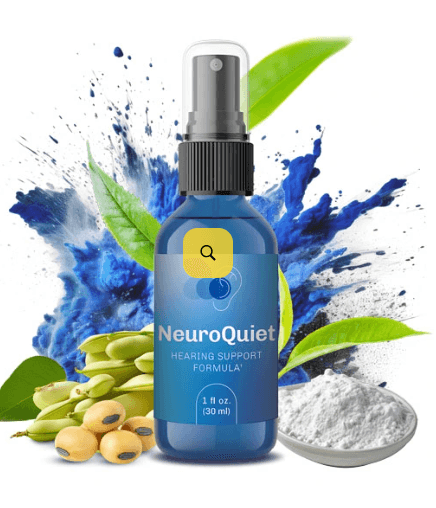
NeuroQuiet – Neurological & Hearing Support
Best For: Stress-related tinnitus, brain fog, nervous system overactivity
Rating: ★★★★☆ (4.2/5)
🔗 Get NeuroQuiet
Price: $69 per bottle
90-day money-back guarantee

Whispeara – Brain & Hearing Support
Best For: Circulation + cognitive hearing support
Rating: ★★★★☆ (4.0/5)
🔗 Try Whispeara
Price: $69 per bottle
90-day money-back guarantee

ZenCortex – Comprehensive Hearing Support
Best For: Antioxidant & inflammation support
Rating: ★★★★★ (4.8/5 reported)
🔗 Order ZenCortex
Price: $69 per bottle
90-day money-back guarantee

Tinnitus Relief for Ringing Ears – Ear Comfort Support
Best For: Gentle, basic antioxidant support
Rating: ★★★★☆
🔗 Get it here
Price: $23.87
30-day money-back guarantee

Tinnitus Supplement with Vitamin C & B Complex
Best For: Nervous system calming + circulation support
Rating: ★★★★☆
🔗 Shop here
Price: $19.87
No money-back guarantee

Audio Calm – Natural Ear Health Vitamins
Best For: Antioxidant and overall ear wellness
Rating: ★★★★☆ (4.0/5)
🔗 Try Audio Calm here
Price: $59.99
No money-back guarantee

Lipo-Flavonoid Plus – Clinically Recognized Ear Support
Best For: Microcirculation & traditional tinnitus support
Rating: ★★★★☆ (clinically observed)
🔗 Shop here
Price: $105.99
No money-back guarantee
COMPARTE


Suscríbete ahora.
Regístrate a nuestra newseletter para recibir las historias más interesantes del día directo en tu correo electrónico antes que cualquier persona
Creado con ©systeme.io• Política de Privacidad • Términos del servicio