
How Women Over 40 Can Be Prepared for Uncertain Times: A Practical Emergency Checklist
Why many mothers in midlife are quietly preparing for unexpected situations — and how you can too.
Subscribe to receive more tips for women over 40
I never used to think much about emergency preparedness.
Like many women, my days were busy with work, family, responsibilities, and trying to keep everything running smoothly. Life had a rhythm to it.
But lately, something has shifted.
Every time I turn on the news, I see stories about wars, climate disasters, fires, and economic uncertainty. Floods in one part of the world. Wildfires in another. Rising global tensions that make you pause for a moment and wonder: What if something unexpected happens?
And I realized something important.
For many women over 40 — especially mothers — those headlines trigger a quiet anxiety that we rarely talk about.
Subscribe to receive more tips for women over 40
The Quiet Responsibility Many Women Over 40 Carry
At this stage of life, we often carry a unique kind of responsibility.
Our children may no longer be small. Mine are 19 and 25. They are adults now, finding their own paths in life. They are independent in many ways.
But they are still my children.
And when I think about uncertain times — whether it’s a natural disaster, a crisis, or something affecting our community — a simple thought crosses my mind:
Am I prepared if my family needs me to be?
Not in a dramatic, survivalist way.
But in a calm, thoughtful, practical way.
Because preparedness is not about fear.
It is about peace of mind.
Why Preparedness Can Actually Reduce Anxiety
Interestingly, psychologists often say that uncertainty increases stress far more than actual challenges.
When we feel unprepared, our minds tend to imagine worst-case scenarios.
However, having a plan — even a simple one — helps the nervous system relax.
Instead of feeling helpless, we feel capable.
For women navigating midlife, perimenopause, menopause, and the emotional shifts that come with this stage of life, reducing stress and restoring a sense of control is incredibly important.
Preparedness can become another form of self-care.
The Importance of Being Prepared — Without Living in Fear
You do not need to build a bunker or live in fear.
Instead, think of preparedness as thoughtful readiness — making sure your household could handle unexpected situations such as:
Severe storms
Earthquakes
Wildfires
Power outages
Floods
Sudden evacuations
Temporary supply disruptions
Here is a practical list that women over 40 find helpful when preparing their homes and families for emergencies.
Emergency Preparedness Checklist for Women Over 40
Below is a simple checklist to help women and families feel more secure and ready for unexpected situations.
1. Create a Family Communication Plan
Make sure everyone in your household knows:
Who to contact in an emergency
Where to meet if phones stop working
An out-of-town contact person
Adult children may assume someone else has a plan, so having one clearly discussed helps everyone stay calm.
2. Organize Important Documents
Keep copies of important documents in a safe but accessible place:
Passports
Birth certificates
Insurance policies
Medical records
Emergency contact lists
It’s also helpful to store digital copies in a secure cloud folder.
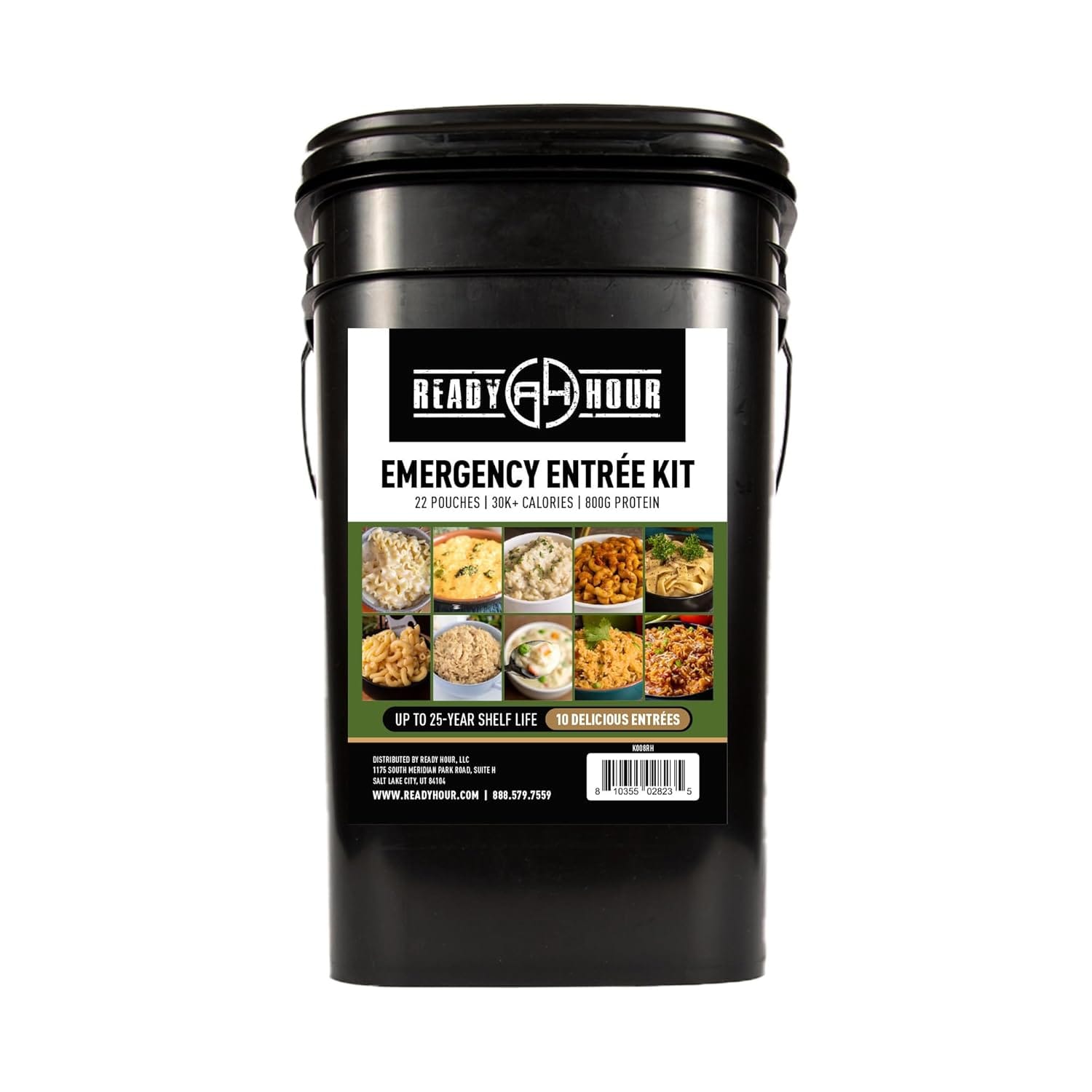
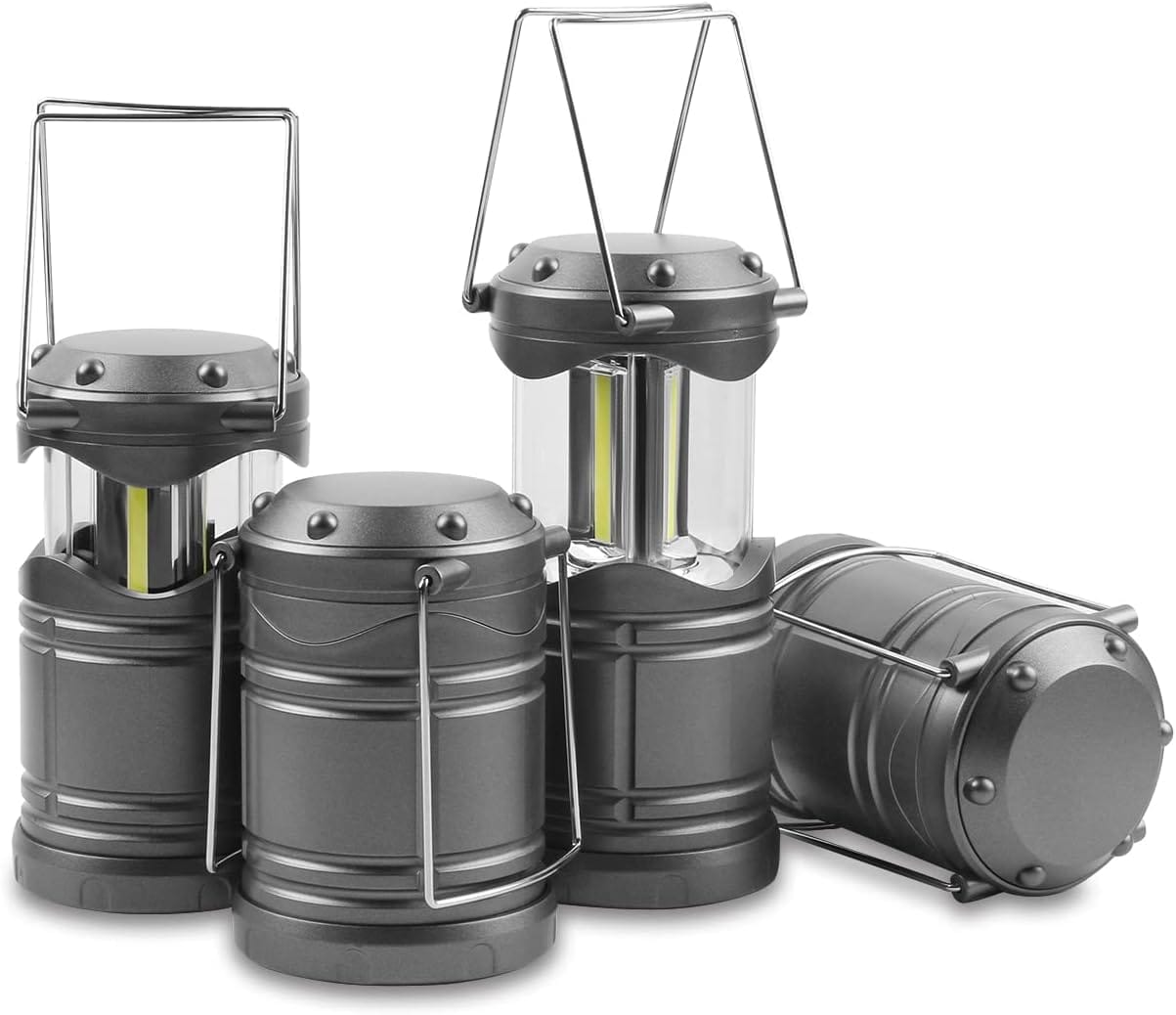
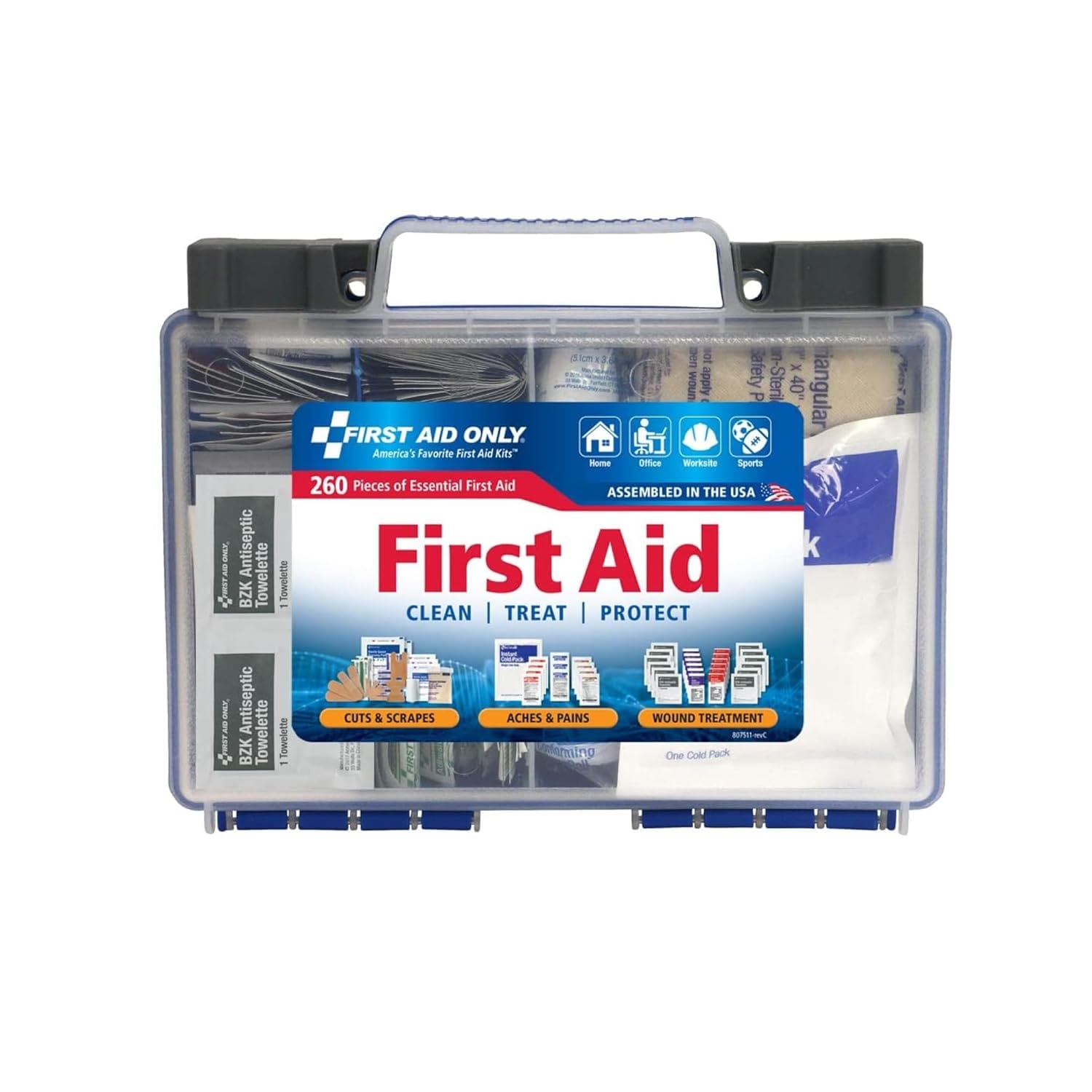
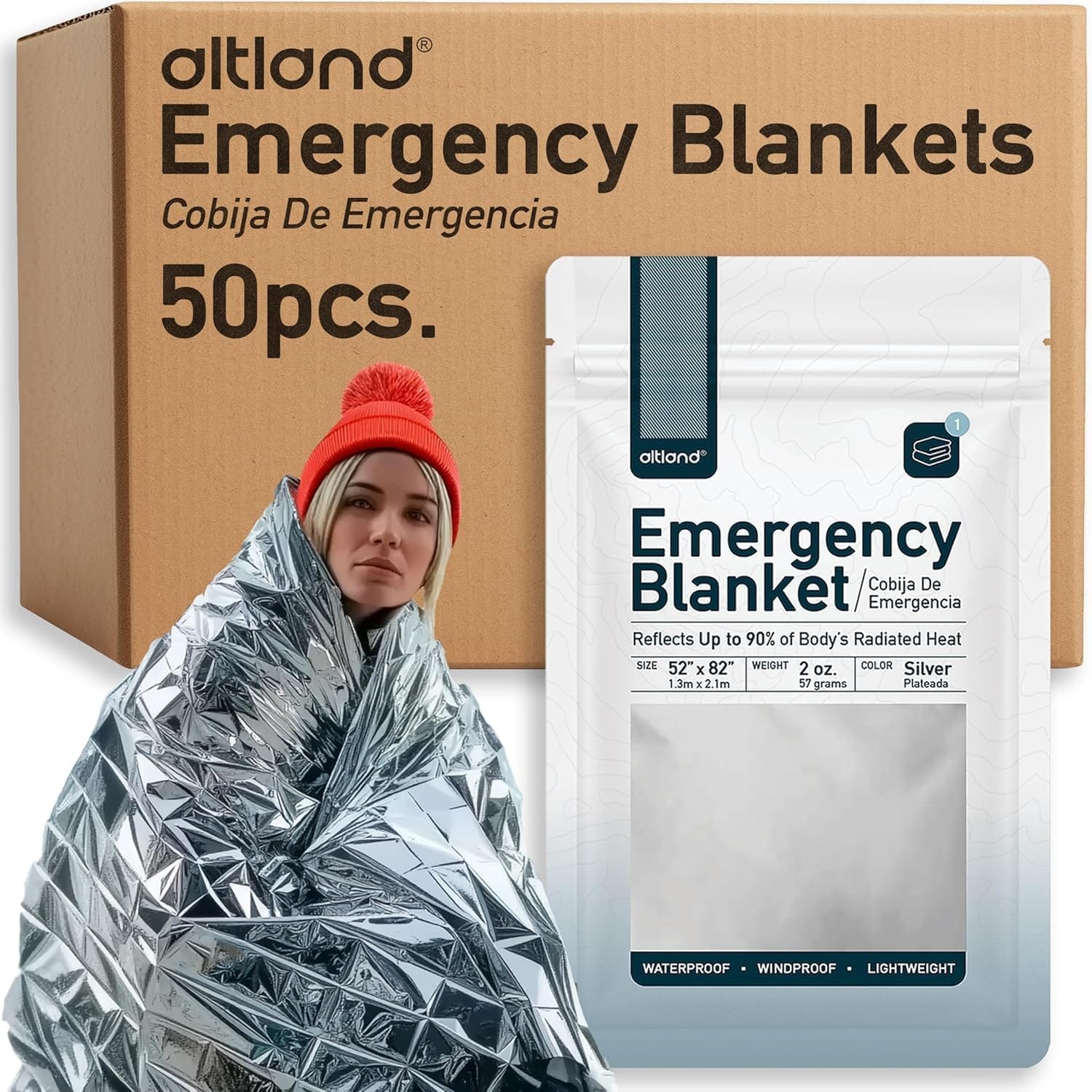
3. Prepare a Basic Emergency Kit
Every home should have a kit that can support the household for at least 72 hours.
Your kit may include:
Bottled drinking water
Non-perishable food
Flashlights
Batteries
Portable phone chargers
First-aid supplies
Blankets
Basic medications
Store everything in one easy-to-reach location, such as a hallway closet, a kitchen cabinet, a storage bin in the garage, or a dedicated emergency shelf that everyone in the family knows where to find.




4. Prepare a Small “Go Bag.”
Sometimes emergencies require leaving home quickly.
A small bag ready to go can include:
A change of clothes
Copies of important documents
Snacks and water
A flashlight
Phone charger
Small emergency cash
5. Make Simple Home Safety Improvements
Check your home for small safety upgrades such as:
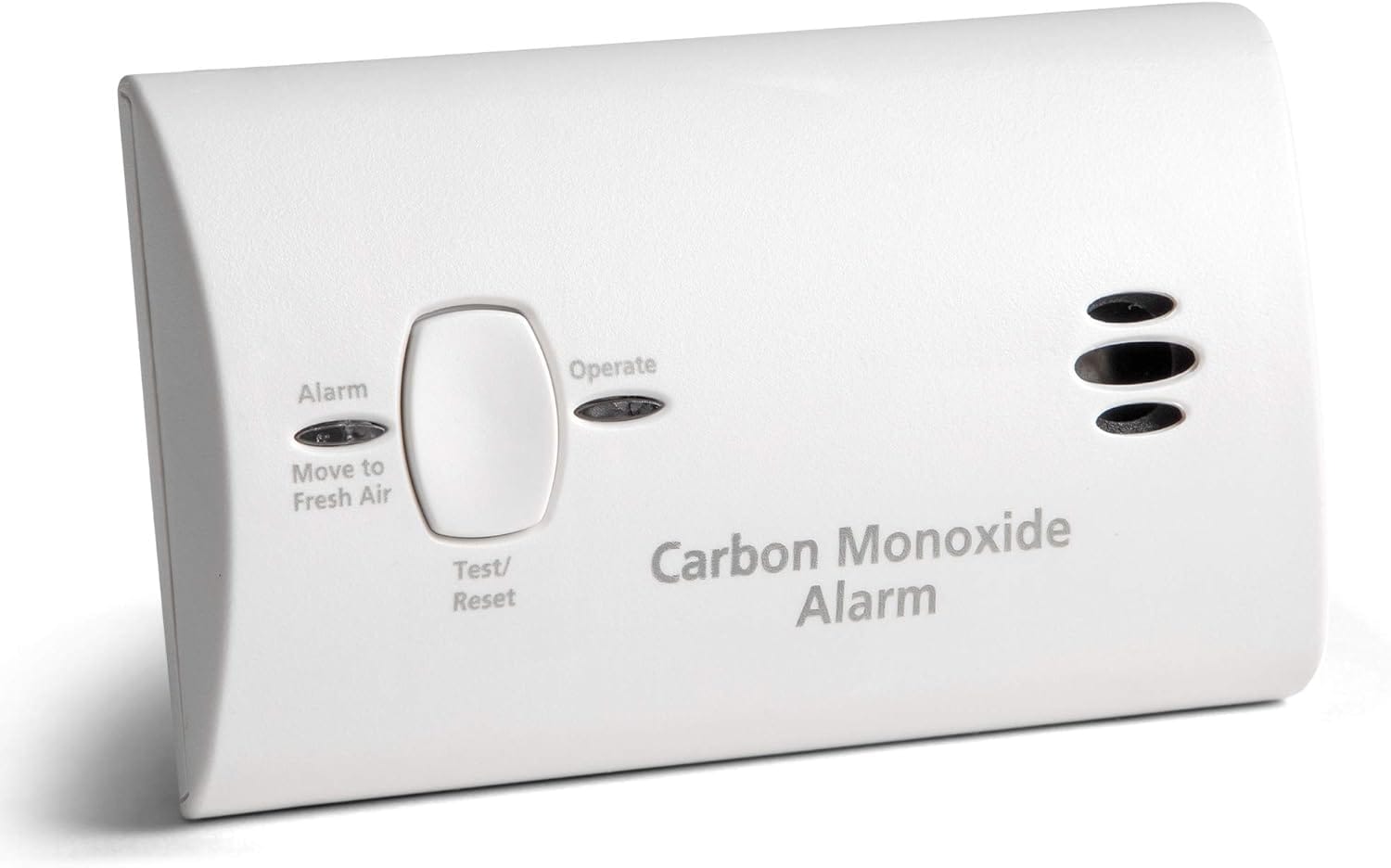
Smoke detectors
Carbon monoxide detectors
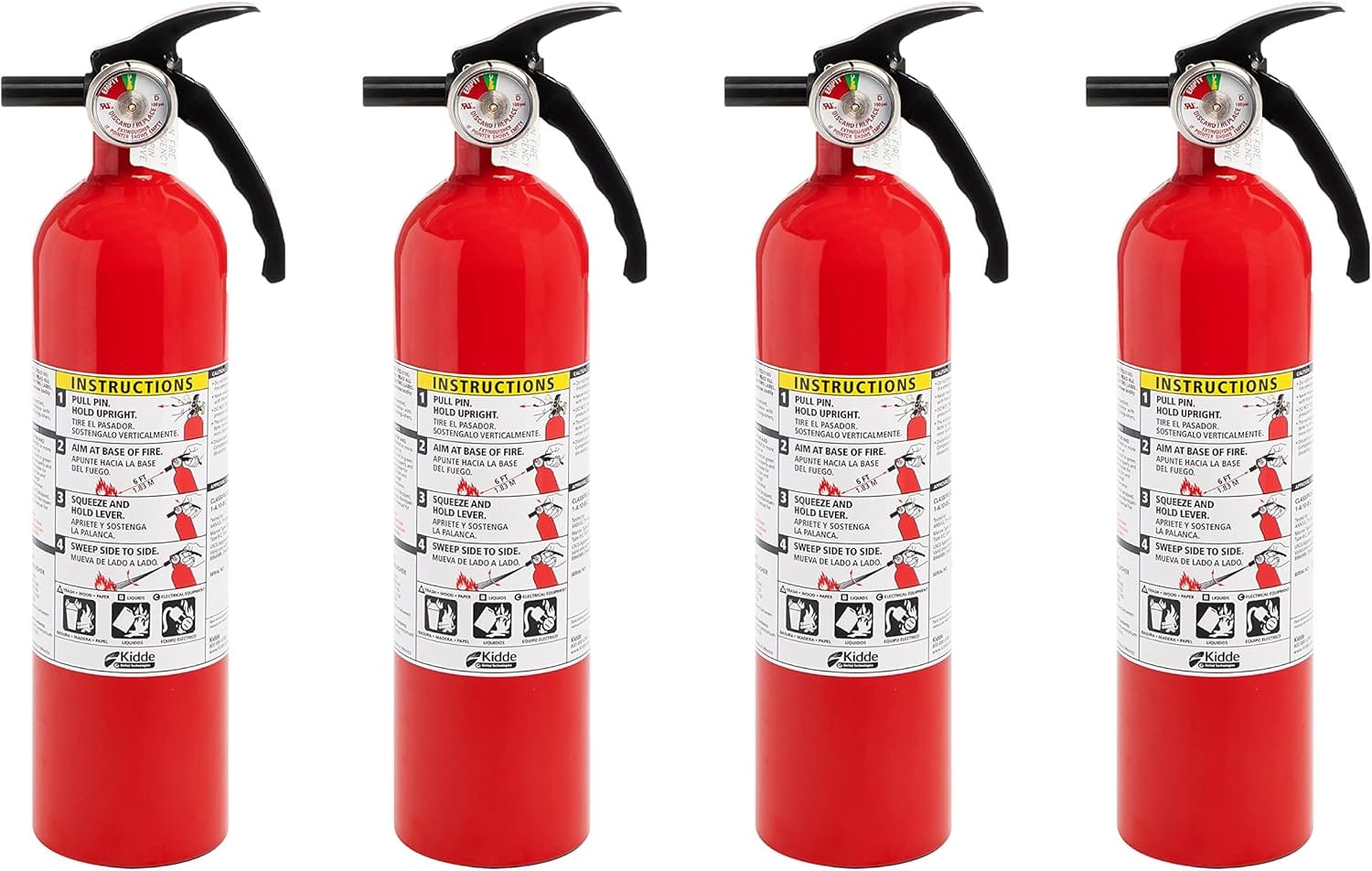
Fire extinguishers
Emergency lighting
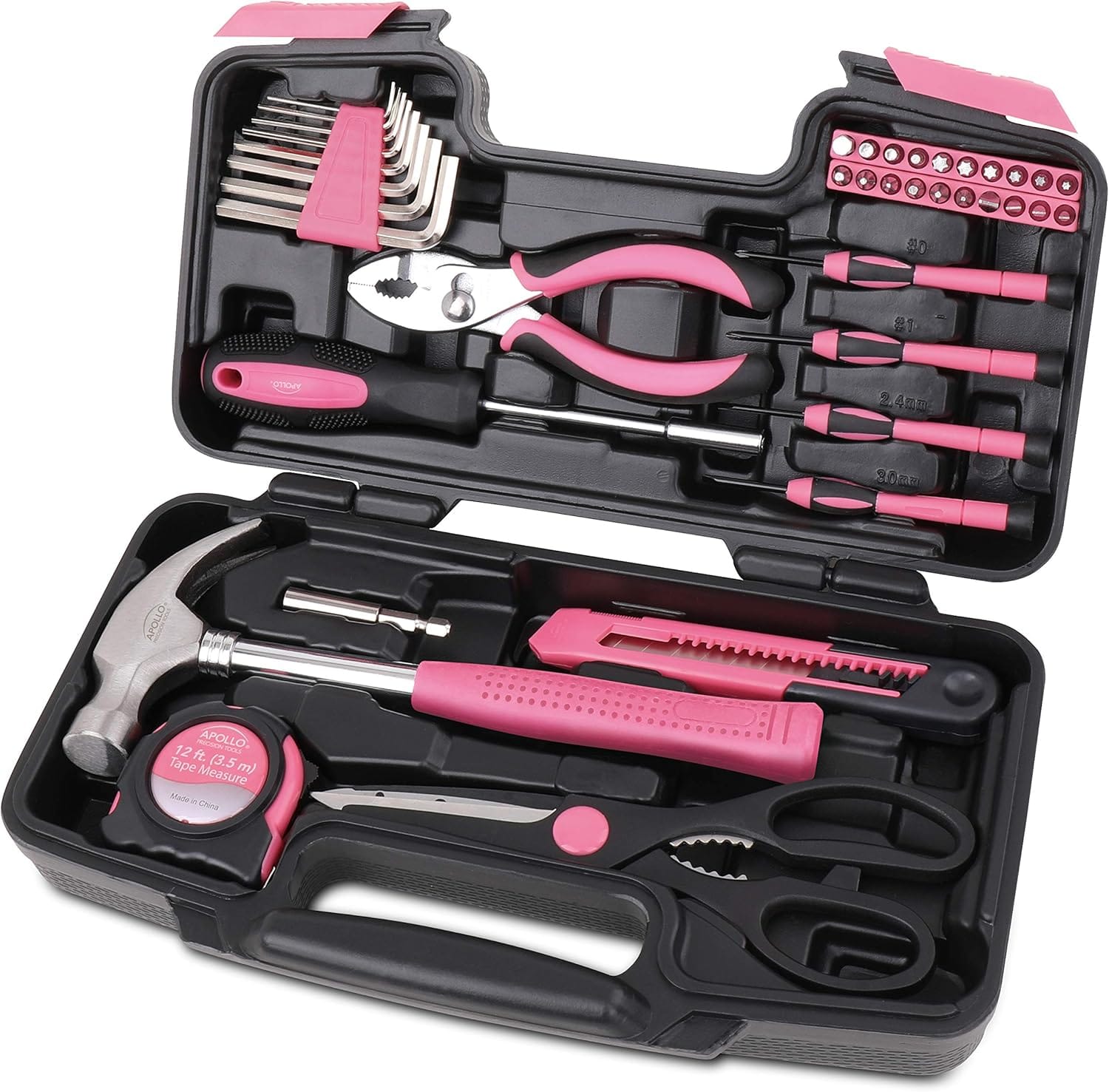
Basic tools include a multi-tool knife, a screwdriver set, duct tape, and work gloves.
These simple tools help you handle small household problems quickly so they don’t turn into bigger issues during an already stressful situation.


6. Store Extra Food and Water
Keeping a small backup supply can help during temporary disruptions.
Examples include:
Canned foods
Rice or dry grains
Nut butters
Bottled water
Rotate supplies every few months so they remain fresh.
7. Plan for Medications and Health Needs
If anyone in the family relies on medication:
Keep an extra supply if possible
Write down prescription information
Store important medical details where they are easy to access
8. Keep Some Emergency Cash
In some emergencies, electronic payments may not work.
Having a small amount of cash available is helpful for transportation, food, or supplies.
$200 – $500 in small bills
This amount can usually cover short-term needs such as:
Gas for a car
Basic groceries
Public transportation
Small emergency supplies
Food if the card systems are down
Try to keep the money in smaller denominations, for example:
$5 bills
$10 bills
$20 bills
During emergencies, stores or small vendors may not be able to give change for large bills, so smaller bills are much more practical.
9. Learn Basic Emergency Skills
Preparedness is not only about supplies.
Simple knowledge can be incredibly valuable:
Basic first aid
Knowing how to shut off water, gas, or electricity
10. Talk With Your Family About the Plan
Finally, communication matters.
Even if your children are adults, it helps to talk about:
Where would you meet during an emergency
Who will check on whom
How would you stay connected
These conversations create reassurance rather than fear.
Preparedness is a Form of care.
One thing I have realized is that preparing does not mean living in fear.
It means respecting the reality that life can be unpredictable.
And as women over 40, we have something powerful on our side:
Experience.
We know how to organize, adapt, and care for the people we love.
Sometimes preparation is simply another expression of that quiet strength.
And when you know you have taken thoughtful steps to protect your family, something unexpected happens.
You feel calmer.
More grounded.
More ready — whatever life may bring.
Subscribe to receive more tips for women over 40
COMPARTE


Suscríbete ahora.
Regístrate a nuestra newseletter para recibir las historias más interesantes del día directo en tu correo electrónico antes que cualquier persona
Creado con ©systeme.io• Política de Privacidad • Términos del servicio