
8 Best Supplements for Menopause Weight Gain and Sleep Problems
Subscribe to my email list
Get simple, research-backed tips for better sleep, balanced energy, and relief from menopause symptoms—delivered straight to your inbox.
If you're struggling with menopause weight gain, know that you're not failing.
Your body is going through hormonal and metabolic changes that can make maintaining a healthy weight more challenging than it used to be.
The good news is that small, sustainable changes make a meaningful difference.
Prioritizing protein, increasing fiber intake, supporting healthy sleep, managing stress, building muscle through strength training, and using targeted supplements help support a healthier metabolism during midlife.
There is no magic pill for menopause weight gain, but there are effective strategies that help you feel stronger, healthier, and more in control of your body again.
If you're gaining weight despite eating the same way you always have—and struggling to get a good night's sleep at the same time—you're far from alone.
Perimenopause and menopause bring a frustrating combination of symptoms: stubborn belly fat, slower metabolism, intense cravings, hot flashes, night sweats, and insomnia.
One day, your favorite jeans fit perfectly, and the next, they feel noticeably tighter around the waist. Even worse, the weight settles around the midsection, creating the "menopause belly."
These changes are incredibly common, but they're not the result of getting older. Shifting hormone levels, changes in muscle mass, increased insulin resistance, chronic stress, and poor sleep all contribute to menopause weight gain, making weight loss more challenging.
The good news?
While there isn't a magic supplement that instantly melts away menopause belly fat, certain supplements support metabolism, improve sleep quality, balance blood sugar, reduce cravings, and make healthy weight management easier during this stage of life.
In this guide, we'll explore the best supplements for menopause weight gain and sleep improvement, what the science says about them, and how they help you feel more energized, sleep better, and support a healthier body composition after 40.
Why Do Women Gain Weight During Perimenopause and Menopause?
One of the most frustrating symptoms of perimenopause and menopause is weight gain—especially when it seems to happen despite eating the same foods and maintaining the same routine.
Maybe you've found yourself asking, "Why am I gaining weight when I'm not doing anything differently?"
I know that feeling. Many of us reach our 40s and 50s only to discover that the strategies that worked for years suddenly stop working. The scale moves up, belly fat becomes more stubborn, and losing weight feels harder than ever before.
The reality is that a single factor doesn't cause that menopause weight gain. Instead, it's the result of several biological and lifestyle changes simultaneously.
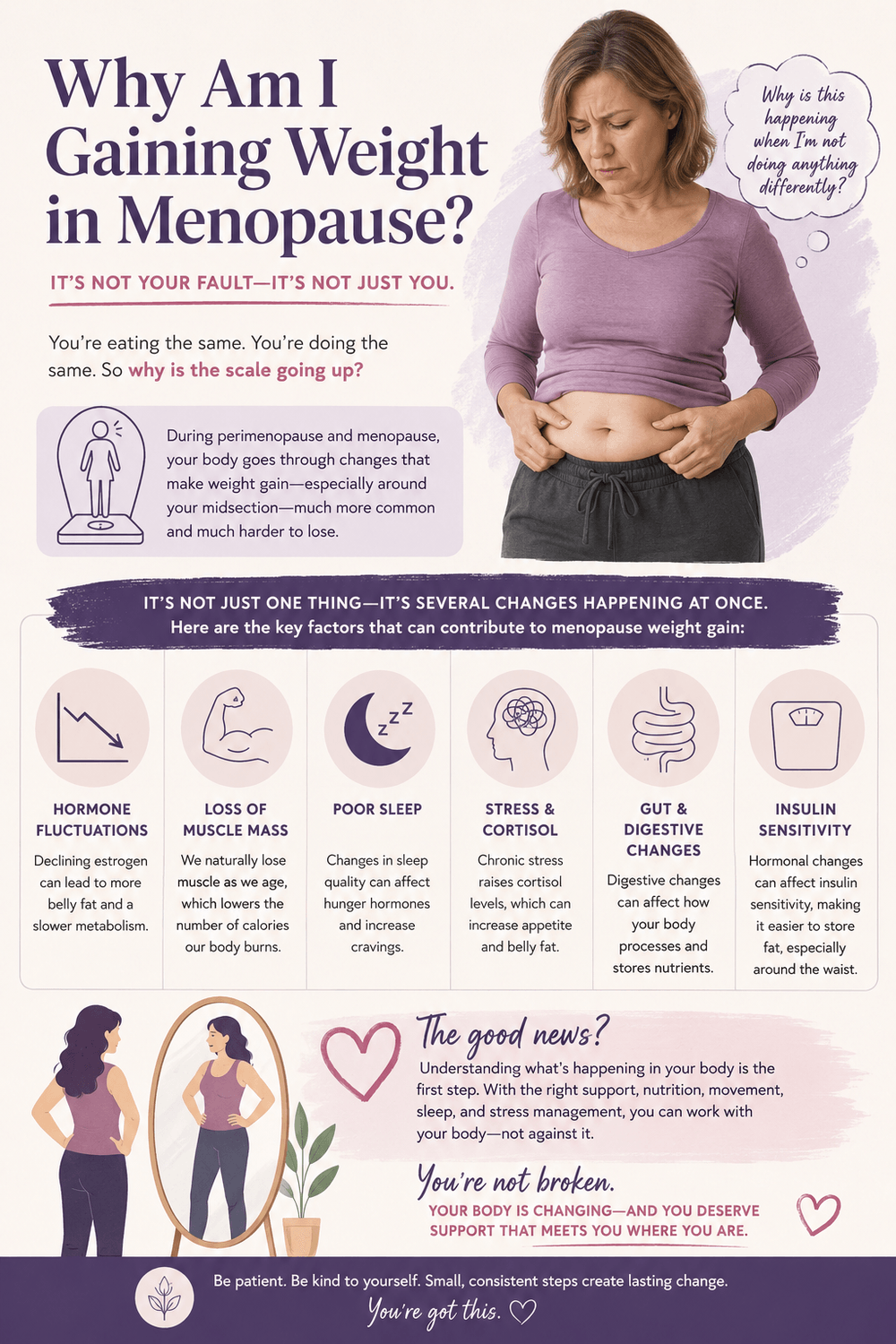
1. Declining Estrogen Can Alter Metabolism
Estrogen does much more than regulate the reproductive system.
This hormone plays an important role in:
Appetite regulation
Blood sugar balance
Fat storage
Energy expenditure
Insulin sensitivity
During perimenopause, estrogen levels fluctuate dramatically before eventually declining. These hormonal shifts encourage the body to store more fat, particularly around the abdominal area.
Lower estrogen levels increase insulin resistance, making it easier to gain weight and harder to lose it.
In other words, your body may begin storing calories differently than it did in your 20s and 30s—even if your eating habits haven't changed.
2. Age-Related Muscle Loss Slows Metabolism
Beginning around age 30, we naturally start losing muscle mass, a process known as sarcopenia.
Without strength training or adequate protein intake, muscle loss accelerates with age.
Why does this matter?
Muscle tissue is metabolically active, meaning it burns calories even when you're resting. As muscle mass decreases, your resting metabolic rate also declines.
This means your body may require fewer calories than it once did, making weight gain more likely if dietary habits remain unchanged. Maintaining muscle is vital for supporting a healthy metabolism during menopause.
3. Chronic Stress and Elevated Cortisol
Midlife comes with unique stressors.
Balancing careers, aging parents, financial responsibilities, relationships, and family demands all at once.
When stress becomes chronic, the body produces higher levels of cortisol, often referred to as the "stress hormone."
Elevated cortisol has been associated with:
Increased cravings for sugar and processed foods
Emotional eating
Belly fat accumulation
Reduced motivation for exercise
Over time, this creates the perfect environment for gradual weight gain.
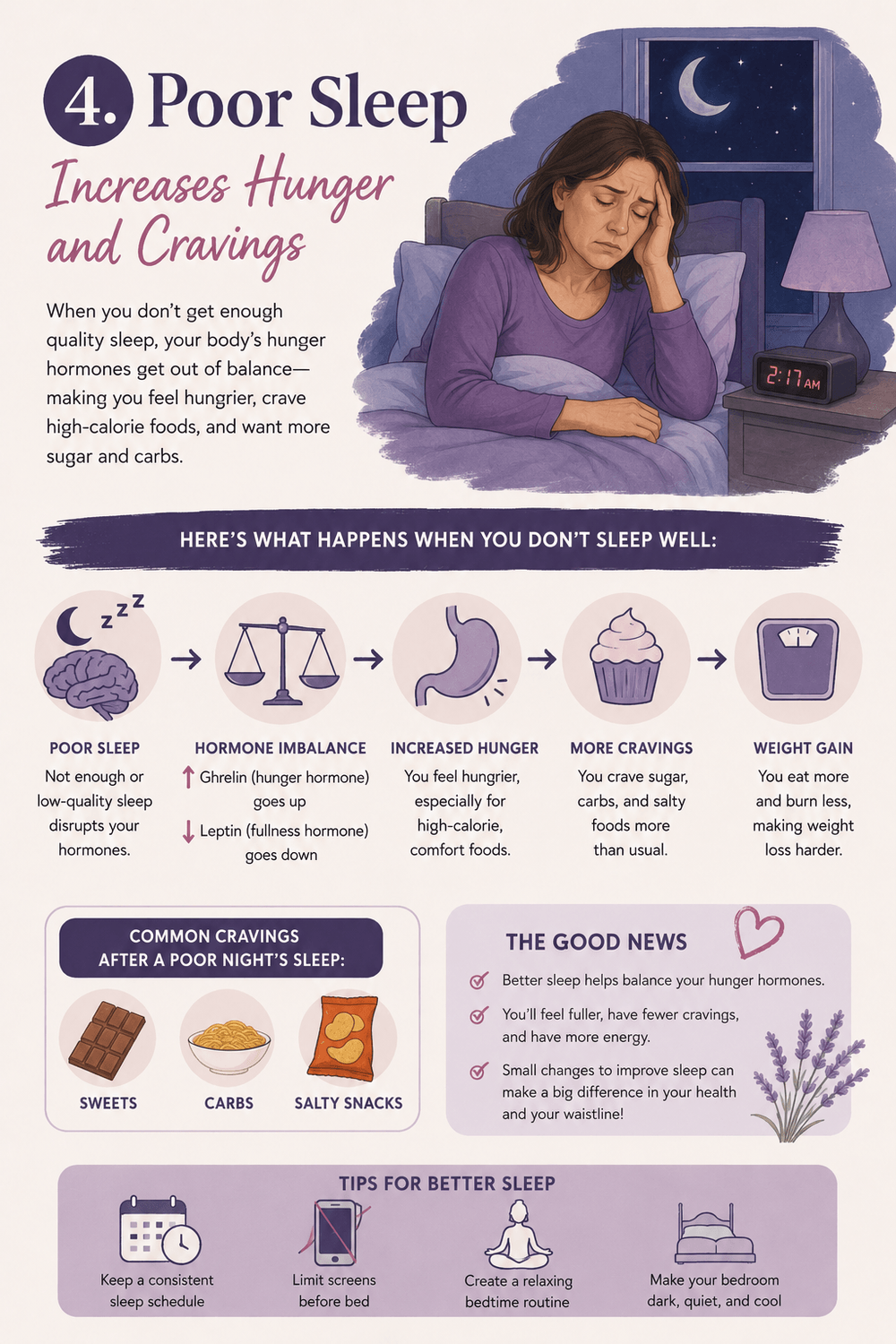
4. Poor Sleep Increases Hunger and Cravings
Sleep problems are common during perimenopause and menopause.
Night sweats, hot flashes, anxiety, and hormonal fluctuations make it difficult to fall asleep or stay asleep throughout the night.
Unfortunately, poor sleep doesn't just leave you feeling tired.
Studies show that sleep deprivation can disrupt hormones that regulate hunger and fullness, including ghrelin and leptin.
As a result, if you consistently get inadequate sleep, you can experience:
Increased appetite
Stronger cravings for high-calorie foods
Reduced energy for physical activity
Greater difficulty losing weight
This is one reason why improving sleep quality is often a crucial part of any menopause weight loss strategy.
5. Reduced Physical Activity
As life becomes busier and energy levels decline, we naturally become less active.
Hours spent sitting at a desk, commuting, caring for family members, and managing daily responsibilities reduce overall calorie expenditure.
Even small decreases in daily movement add up over time. Combined with hormonal changes and a slower metabolism, reduced activity levels make weight gain more likely during menopause.
6. Changes in Eating Habits
Hormonal fluctuations affect appetite, cravings, and food choices, resulting in:
Increased hunger
Stronger cravings for carbohydrates
More emotional eating
Difficulty feeling satisfied after meals
At the same time, stress and lack of sleep make it harder to choose healthy food. These factors often work together, creating a cycle that promotes gradual weight gain over time.

Why Menopause Weight Gain Doesn't Have to Be Permanent
If all of this sounds overwhelming, take a deep breath.
Weight gain during menopause is common, but it is not permanent—and it is certainly not a personal failure.
Understanding what's happening inside your body is the first step toward making effective changes.
The right combination of nutrition, strength training, quality sleep, stress management, and targeted supplements supports a healthier metabolism and makes weight management more achievable during this stage of life.
The next step is understanding which supplements support your body during perimenopause and menopause.
Nutrition and Supplements for Menopause Weight Gain and Better Sleep
If you've reached the point where you're wondering why your body suddenly seems to be working against you, join the club.
Perimenopause and menopause make us realize that the habits that worked for years no longer produce the same results. You eat the same foods, exercise the same amount, and yet still notice weight gain, especially around your midsection.
During menopause, changing hormone levels affect metabolism, muscle mass, blood sugar regulation, sleep quality, hunger hormones, and where your body stores fat. That's why successful weight management during midlife requires a different approach than it did in your 20s or 30s.
While no supplement replaces healthy nutrition, quality sleep, regular movement, and strength training, certain nutrients support your body during this transition, making it easier to maintain a healthy weight.
Here are some of the most beneficial supplements for menopause, weight gain, and sleep support.
This article may contain affiliate links. If you buy through these links, I may earn a commission at no additional cost to you, helping support this website and its free content.
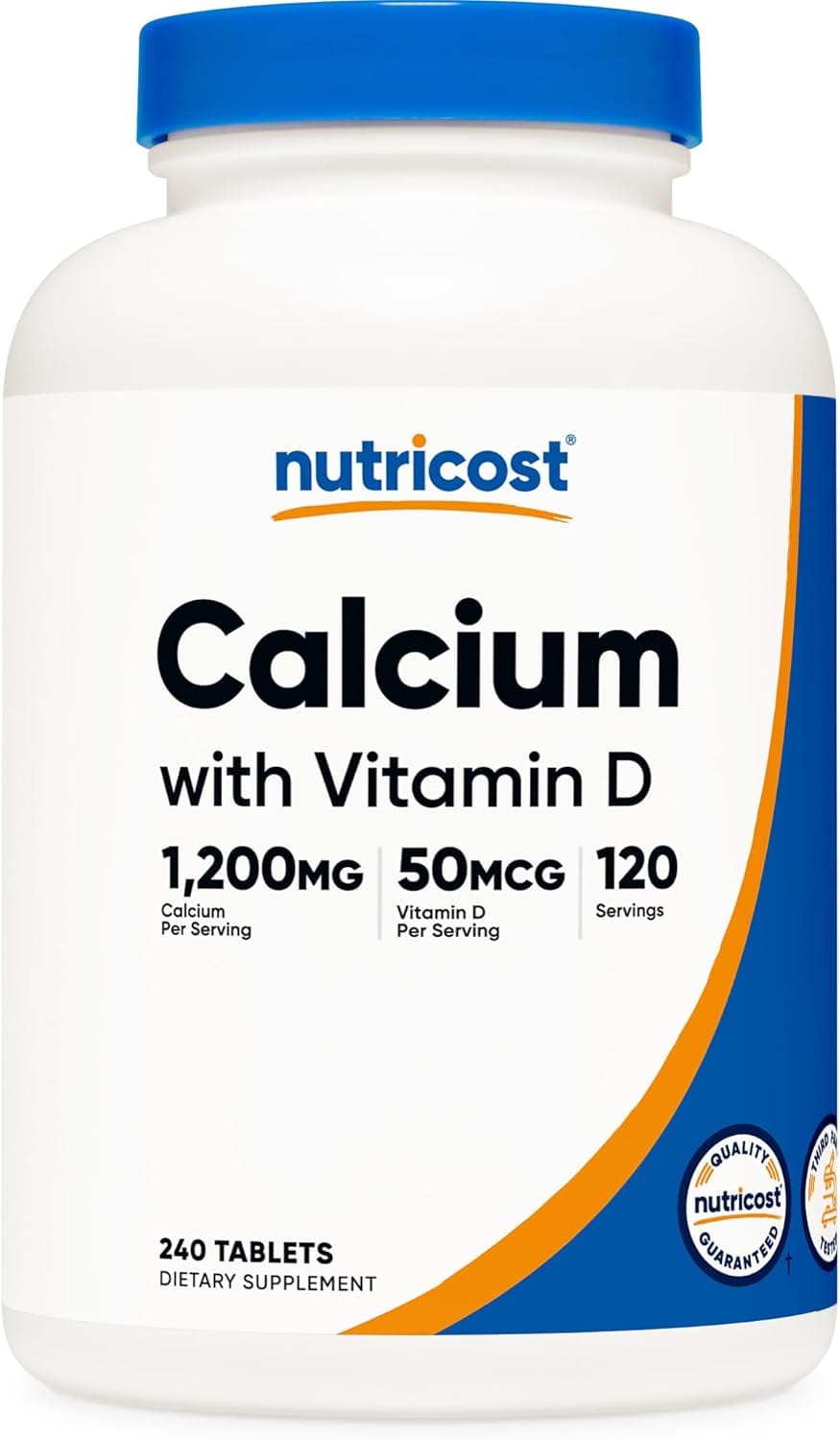
1. Calcium and Vitamin D: More Than Just Bone Health
Calcium and vitamin D protect bone health after menopause, but their benefits extend beyond your skeleton.
Estrogen preserves bone density throughout a woman's reproductive years. As estrogen declines, the risk of bone loss increases significantly, making adequate calcium and vitamin D intake more important than ever.
Research suggests that calcium plays a role in how the body stores and uses fat, while vitamin D appears to influence metabolism, insulin sensitivity, and overall metabolic health.
Even if weight loss isn't your primary goal, ensuring adequate intake of these nutrients is one of the most important investments you can make for long-term health.
Food sources include:
Yogurt and dairy products
Fortified plant-based milk
Sardines
Salmon
Leafy green vegetables
If you're not meeting your needs through diet alone, supplementation may be worth discussing with your healthcare provider.
2. Omega-3 Fatty Acids: Supporting Inflammation, Heart Health, and Metabolism
Menopause increases inflammation and the risk of cardiovascular disease.
Omega-3 fatty acids, found in fatty fish, flaxseeds, chia seeds, and walnuts, support heart health and metabolic function.
Studies suggest omega-3s improve body composition when combined with healthy lifestyle habits, while also supporting healthy cholesterol levels and blood sugar regulation.
Omega-3s are a foundational supplement because they support multiple aspects of health—not just weight management.
3. Fiber: One of the Most Overlooked Weight-Loss Tools
If there is one nutrient that deserves more attention during menopause, it's fiber.
Fiber makes you feel fuller for longer, slows digestion, supports blood sugar balance, and nourishes the beneficial bacteria that make up your gut microbiome.
If you consume far less fiber than recommended, it can contribute to cravings, digestive issues, and difficulty managing weight.
Increasing fiber intake helps:
Reduce hunger between meals
Support digestive health
Improve blood sugar control
Promote a healthier gut microbiome
Support healthy weight management
The best part?
Adding more fiber is one of the simplest changes you can make with potentially significant benefits.
4. Protein: Essential for Preserving Metabolism
One of the biggest reasons weight loss is more challenging during menopause is age-related muscle loss.
Muscle is metabolically active tissue, meaning it burns calories even when you're resting. As muscle mass decreases, your metabolism naturally slows.
Protein preserves and builds lean muscle mass while keeping you feeling satisfied after meals.
Adequate protein intake:
Maintains muscle during weight loss
Supports metabolism
Reduces cravings
Improves satiety
Supports healthy aging
Menopause experts consider increasing protein intake an effective nutritional strategy for long-term weight management.
5. Magnesium: The Sleep and Stress Support Mineral
When you enter menopause, you feel exhausted but unable to sleep.
Hot flashes, anxiety, racing thoughts, and nighttime awakenings leave you feeling drained the next day.
Magnesium plays a key role in hundreds of processes throughout the body and is particularly important for relaxation, nervous system function, and sleep quality.
Adequate magnesium:
Promotes relaxation
Supports healthy sleep patterns
Calms the nervous system
Reduces feelings of stress and tension
Since poor sleep is strongly linked to weight gain, supporting sleep quality may be one of the smartest steps you can take for both energy and metabolism.
6. Probiotics: Supporting Gut Health During Menopause
Your gut health influences far more than digestion.
Researchers continue to uncover connections between the gut microbiome and weight regulation, inflammation, immune function, mood, and metabolic health.
Hormonal changes during menopause alter the balance of bacteria in the gut, potentially contributing to bloating, digestive discomfort, and changes in metabolism.
High-quality probiotics support:
Digestive health
Gut microbiome balance
Regular bowel function
Mood and emotional well-being
Reduced bloating
If you are struggling with digestive symptoms alongside weight gain, probiotics are particularly beneficial.
7. Creatine: Not Just for Athletes
If you think creatine is only for bodybuilders, think again.
Creatine is one of the most researched supplements for healthy aging, especially for women in midlife.
Creatine promotes:
Muscle strength
Exercise performance
Recovery
Healthy aging
Cognitive function
Because maintaining muscle mass is increasingly important during menopause, creatine is the most valuable yet underutilized supplement for women over 40.
8. Berberine: A Promising Supplement for Blood Sugar and Weight Management
Berberine is very popular among women looking for natural ways to support metabolic health during menopause.
This plant improves insulin sensitivity, supports healthy blood sugar levels, and promotes healthier cholesterol levels.
Since hormonal changes increase the risk of insulin resistance during menopause, improving blood sugar regulation makes weight management easier for some women.
Benefits include:
Better blood sugar control
Reduced insulin resistance
Support for healthy cholesterol levels
Improved metabolic health
Berberine isn't a miracle weight-loss supplement, but it is a helpful tool if you are dealing with stubborn weight gain associated with metabolic changes during midlife.
How to Choose the Best Supplements for Menopause Weight Gain
When it comes to menopause weight gain, it's tempting to search for a single supplement that will magically make the extra pounds disappear.
Unfortunately, no such supplement exists.
The truth is that lasting weight management during perimenopause and menopause comes from addressing the root causes of weight gain: hormonal changes, poor sleep, muscle loss, blood sugar fluctuations, chronic stress, and nutritional deficiencies.
That's where supplements can help.
Think of supplements as tools that support your body's natural processes—not as quick fixes.
Food First, Supplements Second
Before spending money on supplements, focus on building a foundation of nutrient-rich foods.
For example:
If you're trying to increase calcium intake, include yogurt, sardines, salmon, and fortified dairy or plant-based milk.
If you need more fiber, focus on vegetables, fruits, legumes, oats, flaxseeds, and whole grains.
If protein is lacking, prioritize eggs, fish, chicken, Greek yogurt, cottage cheese, and beans.
For omega-3s, aim to eat fatty fish such as salmon, sardines, or mackerel at least twice per week.
However, let's be realistic.
Most of us aren't eating a perfectly balanced diet every day.
Life is busy. Some days breakfast is coffee, lunch happens in the car, and dinner is whatever gets on the table fastest. That's exactly where supplements fill nutritional gaps.
Common Nutrient Deficiencies During Midlife
Some of the most common nutritional gaps during perimenopause and menopause include:
Fiber
Magnesium
Vitamin D
Calcium
Omega-3 fatty acids
Protein
These nutrients are vital in metabolism, muscle maintenance, sleep quality, energy production, digestive health, and overall well-being.
Addressing deficiencies supports a healthier weight and helps you feel better day to day.
Quality Matters More Than Quantity
Not all supplements are created equal.
When shopping for supplements, look for products that:
Are third-party tested
Clearly list all ingredients
Avoid unnecessary fillers
Follow Good Manufacturing Practices (GMP)
Are transparent about dosage amounts
Remember: more isn't always better.
Taking large amounts of supplements won't speed up weight loss and, in some cases, may cause unwanted side effects.
The Best Time to Take Menopause Supplements
While specific recommendations vary by supplement, these general guidelines can help:
Morning
Vitamin D
Omega-3 supplements
Probiotics
With Meals
Calcium
Berberine
Fiber supplements
Evening
Magnesium glycinate
Sleep-support supplements
Consistency is usually far more important than perfect timing. Taking supplements regularly is what produces results over time.
Frequently Asked Questions
Which Supplements Help With Menopause Weight Gain?
No supplement causes significant weight loss on its own.
However, nutrients such as protein, fiber, magnesium, omega-3 fatty acids, probiotics, and berberine support healthy metabolism, blood sugar balance, appetite regulation, and overall well-being during menopause.
What Is the Best Supplement for Menopause Belly Fat?
No supplement specifically targets menopause belly fat.
Abdominal weight gain is influenced by hormonal changes, stress, sleep quality, insulin resistance, and muscle loss.
Fiber, protein, omega-3s, magnesium, and berberine support overall metabolic health when combined with a healthy lifestyle.
Can Magnesium Help With Menopause Weight Gain?
Magnesium improves sleep quality, stress management, and blood sugar regulation.
Because poor sleep and chronic stress are linked to weight gain, magnesium supports weight management efforts.
Are Probiotics Good for Menopause?
Probiotics improve gut health, digestion, immune function, and mood.
Gut microbiome plays a role in metabolism and weight regulation, making probiotics a helpful addition to a menopause wellness plan.
How Can I Lose Menopause Belly Fat Naturally?
The most effective approach combines several lifestyle habits:
Strength training at least 2–3 times per week
Eating adequate protein at every meal
Increasing fiber intake
Improving sleep quality
Managing stress levels
Staying physically active throughout the day
Supporting metabolic health with appropriate nutrition and supplements
While menopause belly fat is stubborn, consistent habits produce meaningful improvements over time.
Medical Disclaimer: This article is for informational purposes only and does not constitute medical advice. Always consult a qualified healthcare provider before making changes to your health regimen or beginning any supplement or medication.
© 2026 · Midlife & Thriving · All rights reserved
COMPARTE


Suscríbete ahora.
Regístrate a nuestra newseletter para recibir las historias más interesantes del día directo en tu correo electrónico antes que cualquier persona
Creado con ©systeme.io• Política de Privacidad • Términos del servicio