
Best Non-Hormonal Supplements for Anxiety During Menopause
Subscribe to my email list
Get simple, research-backed tips for better sleep, balanced energy, and relief from menopause symptoms—delivered straight to your inbox.
The Core Cause: Menopause anxiety is biologically driven by dropping estrogen levels, which lowers your brain's calming neurotransmitter (GABA) and increases stress sensitivity (cortisol).
Best Daytime Relief: L-Theanine (for fast-acting, non-drowsy calm) and High-EPA Omega-3s (to reduce stress-related brain inflammation).
Best Evening Relief: Magnesium Glycinate (to relax overactive nerves and muscles) and Ashwagandha KSM-66® (to lower nighttime cortisol and improve sleep).
Best Mood & Hot Flash Support: Standardized Saffron Extract (to balance serotonin and reduce anxiety + hot flash frequency).
Pro Tip: Introduce supplements one at a time, look for third-party quality testing, and always check for medication interactions with your physician.
If you wake up at 3 a.m. with a racing heart or a sudden wave of panic while doing something as routine as driving or standing in line at the grocery store, at 40 years old, it's normal.
Anxiety is one of the most common, yet least understood symptoms of the menopausal transition. When it strikes out of nowhere, it feels overwhelming.
Many of us assume anxiety is purely psychological, but during perimenopause and menopause, it is frequently driven by underlying physiological shifts.
If Hormone Replacement Therapy (HRT) isn't an option for you, or if you want extra support, non-hormonal menopause supplements play a key role in restoring a sense of baseline calm.
Here is a look at why menopause triggers anxiety, along with five of the best science-backed, non-hormonal supplements to help ease the tension.
The Root Cause: Why Menopause Triggers Anxiety
During perimenopause and menopause, levels of estrogen fluctuate and eventually decline significantly.
Estrogen isn't only a reproductive hormone; it directly interacts with neurotransmitters in your brain that regulate mood and stress responses:
GABA Suppression: Estrogen supports GABA (gamma-aminobutyric acid) activity, your brain's primary calming signal. When estrogen drops, GABA activity drops too, leaving your nervous system overactive and hyper-vigilant.
Cortisol Spikes: Lower estrogen makes the body's central stress pathway—the HPA axis—more sensitive, causing cortisol (the stress hormone) to spike more easily in response to everyday stressors.
Low-Grade Brain Inflammation: Estrogen offers protective anti-inflammatory benefits to the brain; as it declines, neuro-inflammation increases, contributing to brain fog and heightened anxiety.
Fortunately, targeting these pathways without synthetic or bioidentical hormones restores your nervous system to balance.
5 Best Non-Hormonal Supplements for Menopause Anxiety
1. Magnesium Glycinate (The Nervous System Reset)
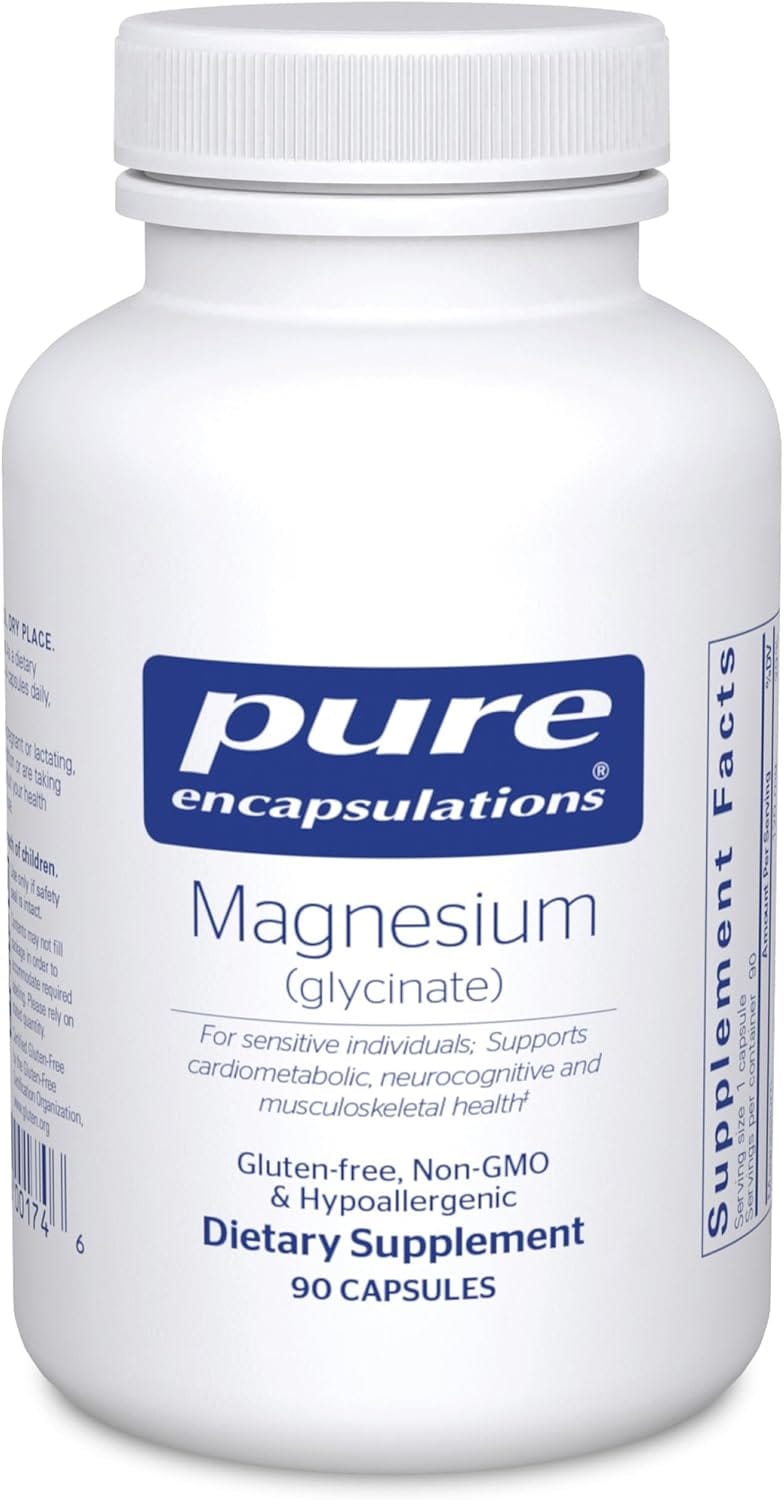
Magnesium is a vital mineral involved in over 300 enzymatic processes in the body, yet it is widely depleted in women over 40.
Because estrogen aids in magnesium absorption, declining hormone levels make it easier to become deficient.
How it works: Magnesium binds to GABA receptors in the brain to quiet overactive nerves, lower muscle tension, and regulate your body's physical stress response.
Why Glycinate? Unlike other forms (such as Magnesium Citrate, which can cause digestive issues), Magnesium Bisglycinate is bound to glycine, an amino acid that promotes restful sleep and relaxes the mind while being gentle on the stomach.
How to take: 200–400 mg taken 30 to 60 minutes before bedtime.
2. Ashwagandha - KSM-66® (The Cortisol Lowerer)
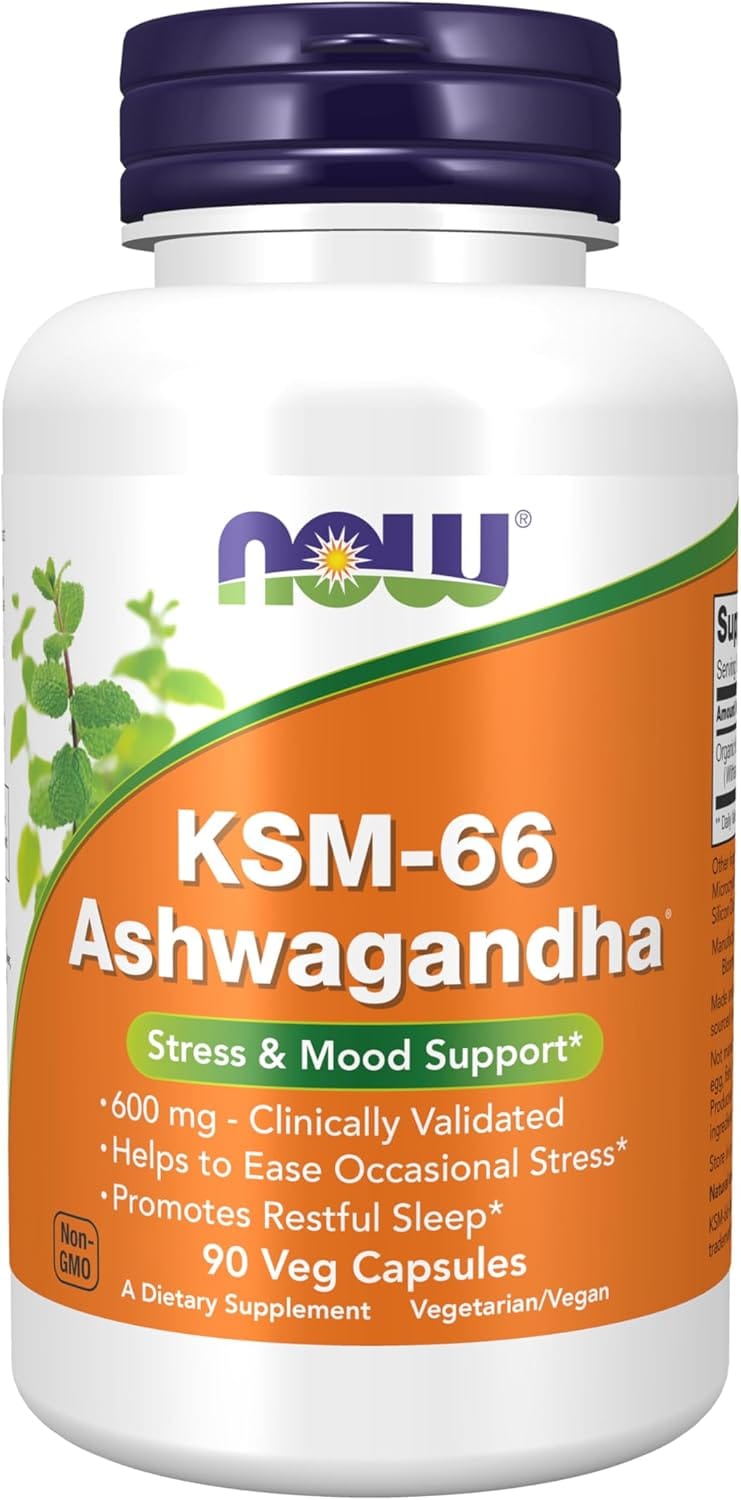
Ashwagandha is a renowned adaptogenic herb used for centuries to help the body adapt to stress.
How it works: Rather than acting as a simple sedative, adaptogens modulate your HPA axis to moderate elevated cortisol levels.
Standardized ashwagandha root extract significantly reduces self-reported anxiety and lowers baseline cortisol levels.
Menopause Benefit: Research indicates it can also reduce night awakenings and help moderate hot flash severity.
How to take: Look for standardized root extracts like KSM-66® (typically 300–600 mg daily).
Note: Avoid if you have active hyperthyroidism, as it can gently support thyroid output.
3. L-Theanine (The Fast-Acting Daytime Calm)
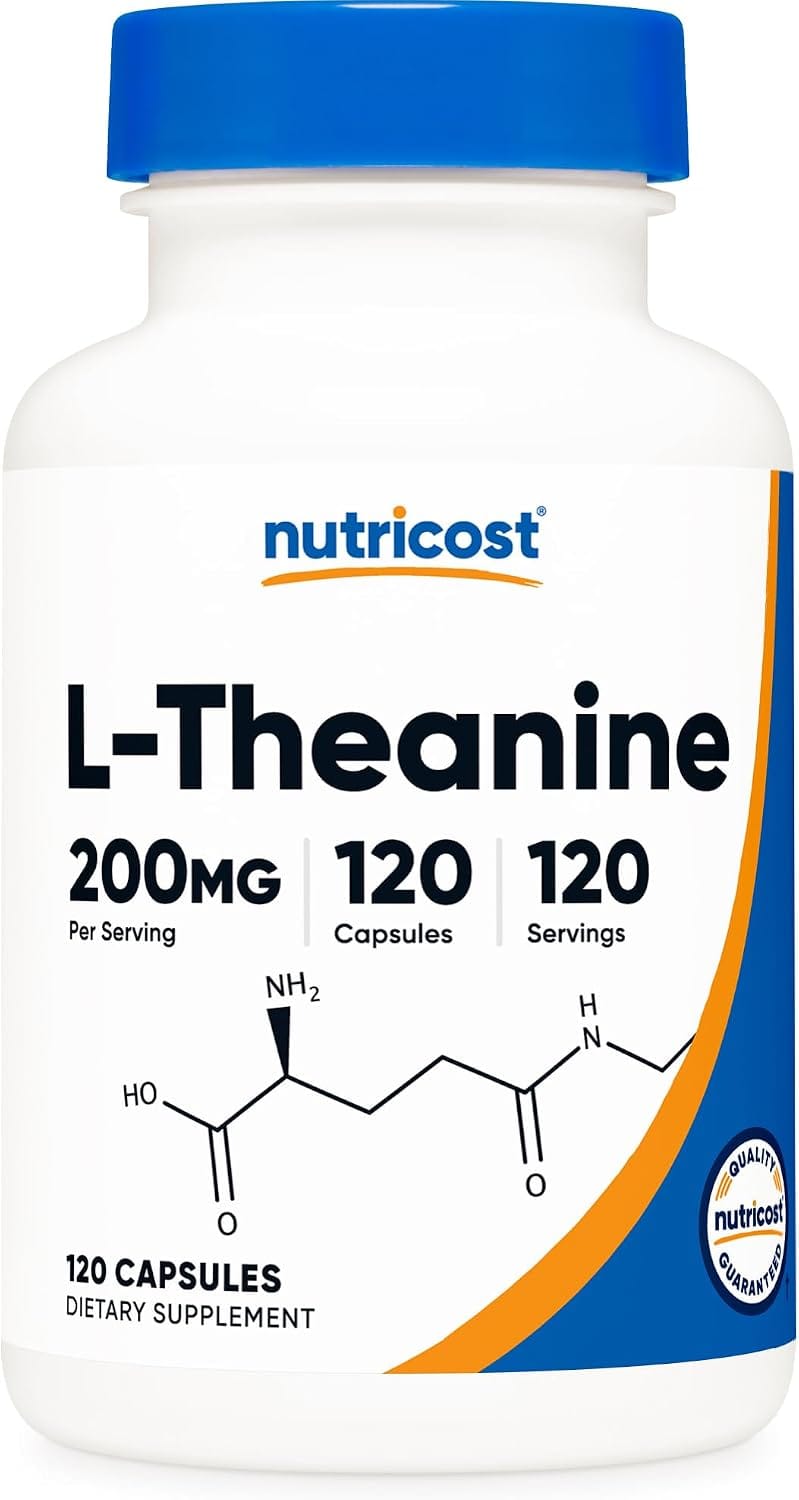
Found naturally in green tea leaves, L-theanine is an amino acid known for producing "calm alertness".
How it works: L-theanine easily crosses the blood-brain barrier within 30 minutes, boosting GABA activity and increasing alpha brain waves, the brain state linked to deep relaxation without feeling groggy or tired.
Best For: Acute "daytime overwhelm," nervous jitters, or racing thoughts while working.
How to take: 100–200 mg taken as needed during moments of heightened stress.
4. Standardized Saffron Extract (Mood & Serotonin Support)
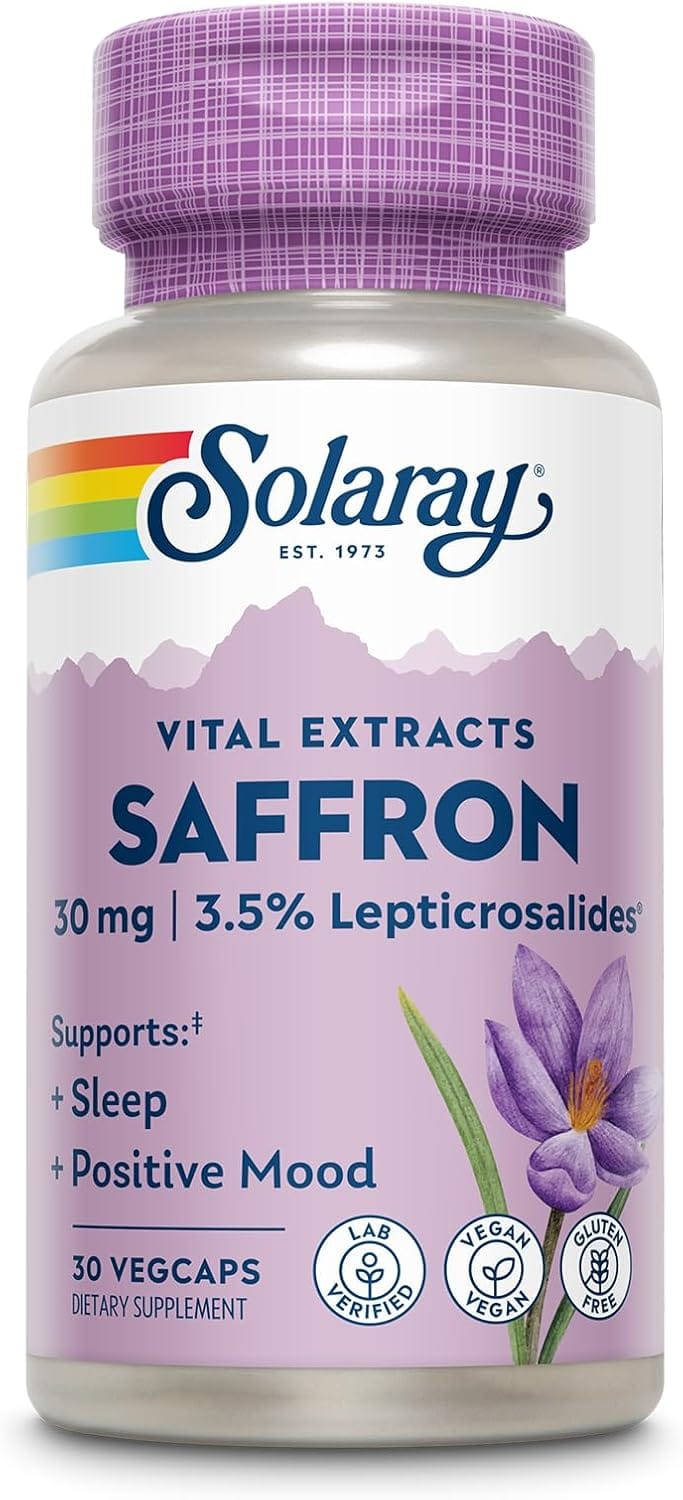
Saffron isn't just a precious spice; recent clinical trials have highlighted its potent benefits for mental health and menopausal transition symptoms.
How it works: Saffron works similarly to selective serotonin reuptake inhibitors (SSRIs) by increasing serotonin availability in the brain, which stabilizes mood swings and mitigates the "fight-or-flight" feeling.
Clinical Evidence: Studies using standardized extracts (such as Affron®) demonstrate significant improvements in anxiety scores, overall mood, and sleep disturbance in menopausal women.
How to take: 28–30 mg daily of a standardized extract.
5. High-EPA Omega-3 Fatty Acids (The Neuro-Inflammation Shield)
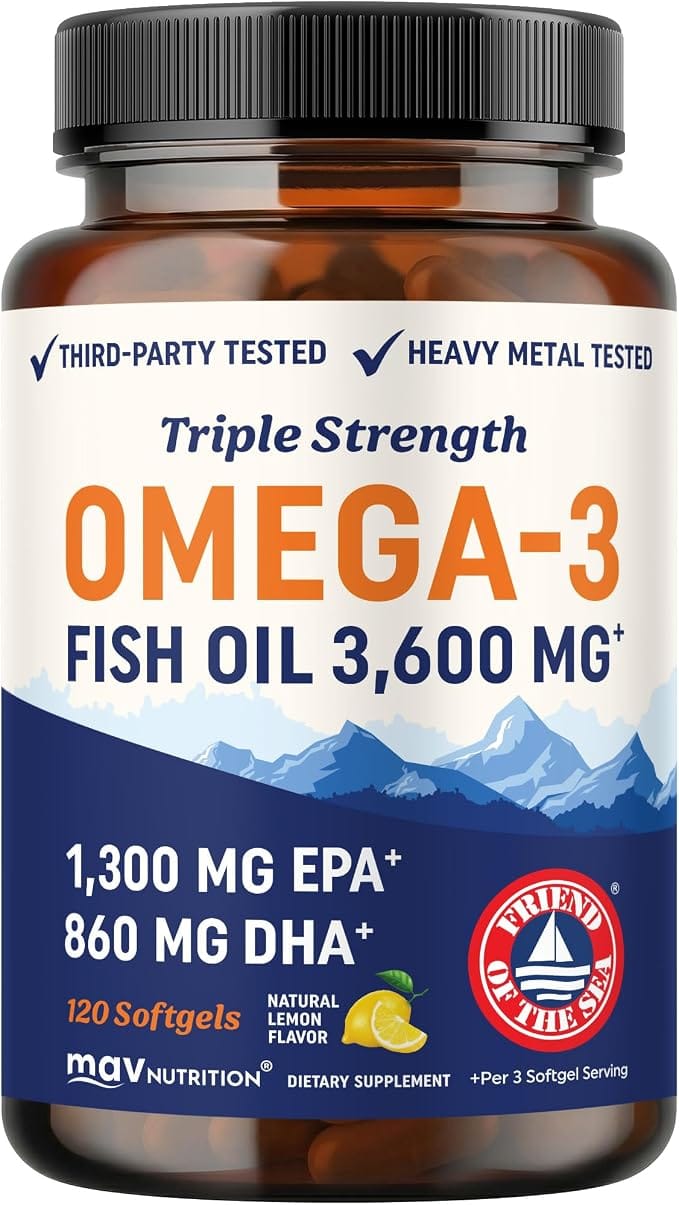
Essential fatty acids (specifically EPA and DHA) are fundamental structural components of brain cell membranes.
How it works: Estrogen's drop can trigger low-grade systemic and neurological inflammation.
High doses of EPA (eicosapentaenoic acid) act as natural anti-inflammatory agents in the central nervous system, helping to regulate neurotransmitters and improve mood stabilization.
How to take: Target a combined 1,000–2,000 mg of EPA/DHA daily, ensuring the formula leans higher in EPA for targeted mood support.
Sample Daily Natural Menopause Anxiety Supplement Protocol
If you are looking for a balanced starting framework, consider structuring your day like this:
Time of Day
Recommended Supplement
Primary Goal
Morning
L-Theanine + High-EPA Omega-3s + Saffron (option A)
Daytime focus, stress buffering & nervous system support
Evening
Magnesium Glycinate + Ashwagandha (KSM-66) + Saffron (option B)
Lowering night cortisol, muscle relaxation & deeper sleep
Important Safety Tips Before You Start Taking Natural Menopause Anxiety Supplements
Introduce One at a Time: Rather than starting four new bottles at once, add one supplement at a time every 7–10 days. This allows you to evaluate what is working and pinpoint any potential digestive sensitivities.
Quality Matters: Because dietary supplements aren't tightly regulated, choose brands that use third-party testing (look for seals like USP, NSF, or ConsumerLab) to ensure purity and dose accuracy.
Check for Interactions: Even natural supplements can interact with prescription medications (such as blood thinners, thyroid medications, or antidepressants). Always discuss your supplement list with your doctor or pharmacist.
Summary
Menopause-induced anxiety is real, biological, and manageable.
By utilizing non-hormonal supplements that support GABA, moderate cortisol, and cool central inflammation, you can regain control of your nervous system and bring peace back to your day-to-day life.
❓ Frequently Asked Questions (FAQ)
1. How quickly do non-hormonal supplements work for menopause anxiety?
It depends on the supplement.
Fast-acting ingredients like L-Theanine can start calming your nervous system within 30 to 40 minutes.
On the other hand, adaptogens like Ashwagandha and nutrient supports like Omega-3s or Saffron typically require 4 to 8 weeks of consistent daily use to build up in your system fully and lower baseline anxiety.
2. Can I take these supplements if I am already taking HRT?
In many cases, yes.
Many women use non-hormonal supplements alongside Hormone Replacement Therapy (HRT) to address stubborn symptoms like sleep issues or heightened stress.
However, because supplements can influence neurotransmitter levels and metabolic pathways, you should always review your natural supplement routine with your prescribing doctor.
3. Is Magnesium Glycinate better than Magnesium Citrate for anxiety?
Yes.
Magnesium Glycinate is bound to glycine—an amino acid known for its soothing effect on the nervous system and brain—and it is exceptionally gentle on the stomach.
Magnesium Citrate, while effective for general magnesium absorption, acts more like a mild laxative and can cause digestive upset or loose stools at higher doses.
4. Are there any side effects or interactions I should be aware of?
While natural, active botanicals and concentrated vitamins can still interact with prescription medications:
Ashwagandha may gently stimulate thyroid function, so caution is needed if you take thyroid medications.
Saffron and L-Theanine influence brain chemistry, so consult your doctor if you take SSRIs or anti-anxiety prescriptions.
Omega-3 Fatty Acids can act as mild blood thinners at high doses.
5. What is the single best supplement to start with first?
If you have to start with just one, Magnesium Glycinate is often considered the foundation.
It targets physical tension and racing thoughts, improves sleep quality, and addresses a mineral deficiency that is extremely common among midlife women.
This article may contain affiliate links. If you buy through these links, I may earn a commission at no additional cost to you, helping support this website and its free content.
Medical Disclaimer: This article is for informational purposes only and does not constitute medical advice. Always consult a qualified healthcare provider before making changes to your health regimen or beginning any supplement or medication.
© 2026 · Midlife & Thriving · All rights reserved
COMPARTE


Suscríbete ahora.
Regístrate a nuestra newseletter para recibir las historias más interesantes del día directo en tu correo electrónico antes que cualquier persona
Creado con ©systeme.io• Política de Privacidad • Términos del servicio